Book a quick call to see how WeSupply helps you build trust, boost loyalty, and drive profit by turning every post-purchase moment into lasting customer confidence.
Inflation Buyer Behavior 2025: How Inflation Is Reshaping It
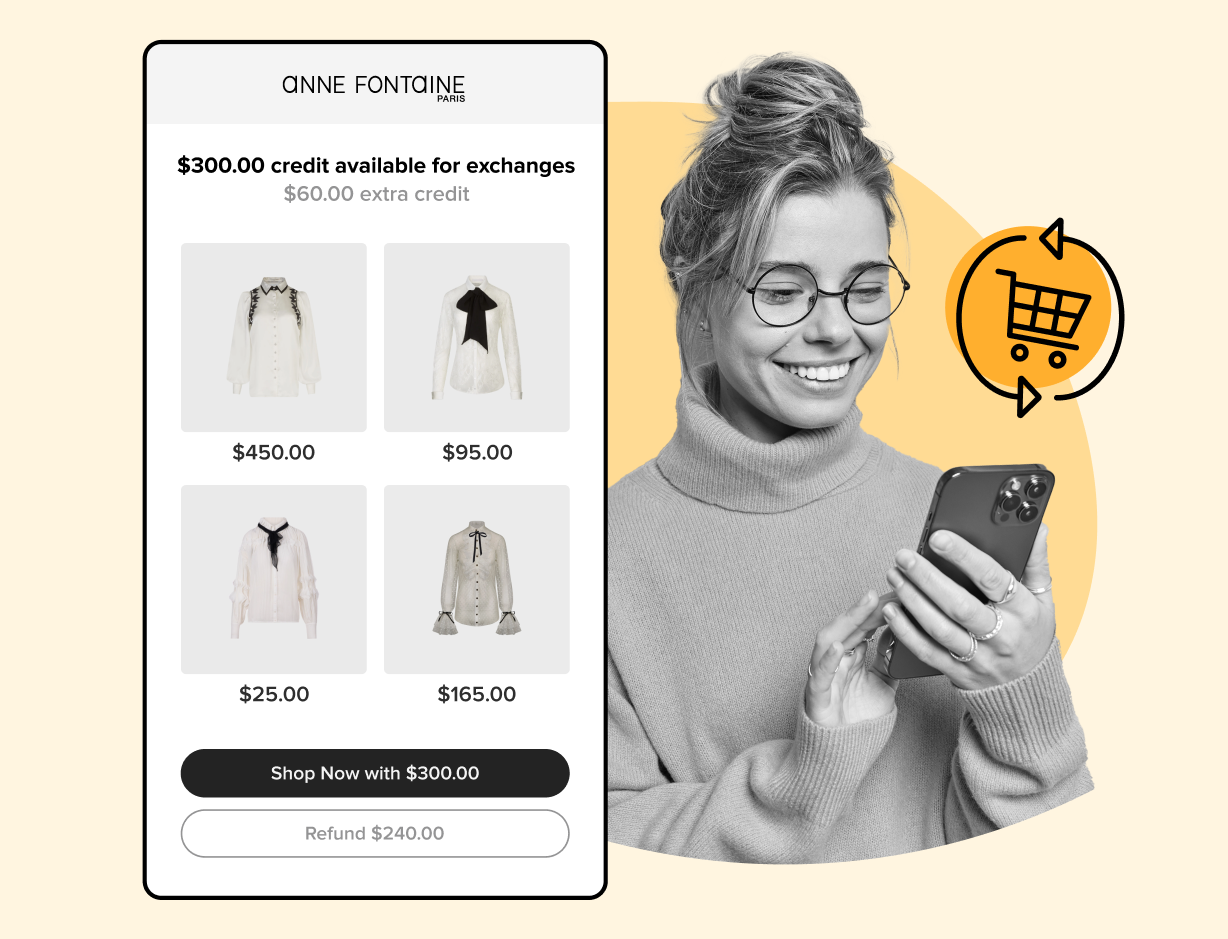
Shipping, Tracking & Notifications
Boost customer experience and reduce support tickets
Realtime order and shipment tracking
Proactive order and shipping notifications
AI-Enhanced Discounted Labels
Predictive pre-purchase estimated delivery dates
Self-Serivce branded order tracking
Effortless experience delivered
Identify and Resolve Order Issues
Realtime order and shipment tracking
Make returns profitable and delight customers
Flexibility to define any return destinations & conditions
Simplify returns for your customers and team
Incentivize exchanges over returns
Returns management made easy for your team
Returns management made easy for your team
Easy claims and smart upsells
Understand why your customers are returning
In-Store & Curbside Pickup
Unify the online and the in-store experience
Hassle-free pickup experience for customers
In-Store dashboard to keep operations streamlined
In-Store and Online orders unified
Drive foot-traffic to your stores
Shipping, Tracking & Notifications
Boost customer experience and reduce support tickets
Realtime order and shipment tracking
Proactive order and shipping notifications
AI-Enhanced Discounted Labels
Predictive pre-purchase estimated delivery dates
Self-Serivce branded order tracking
Effortless experience delivered
Identify and Resolve Order Issues
Realtime order and shipment tracking
Make returns profitable and delight customers
Flexibility to define any return destinations & conditions
Simplify returns for your customers and team
Incentivize exchanges over returns
Returns management made easy for your team
Returns management made easy for your team
Understand why your customers are returning
In-Store & Curbside Pickup
Unify the online and the in-store experience
Hassle-free pickup experience for customers
In-Store Dashboard to keep operations streamlined
In-Store and Online orders unified
Drive foot-traffic to your stores
Boost customer experience and reduce support tickets
Realtime order and shipment tracking
Proactive order and shipping notifications
AI-Enhanced Discounted Labels
Predictive pre-purchase estimated delivery dates
Self-Serivce branded order tracking
Effortless experience delivered
Make returns profitable and delight customers
Flexibility to define any return destinations & conditions
Simplify returns for your customers and team
Incentivize exchanges over returns
Returns management made easy for your team
Equip your team for precise return checks.
Easy claims and smart upsells
Understand why your customers are returning
Unify the online and the in-store experience
Hassle-free pickup experience for customers
In-Store Dashboard to keep operations streamlined
In-Store and Online orders unified
Drive foot-traffic to your stores
Find the answer to all your questions
Take a step by step trip through our functionality to see how we can improve your ecommerce processes.
Explore the most comon questions about WeSupply
Calculate the ROI that WeSupply can bring you
Read actionable articles on how to optimize your post-purchase experience and decrease support tickets
Get inspired by stories of how our customers implemented an effortless post-purchase experience
Wondering if WeSupply is a good fit for you? Read through our use cases to see how we can help you increase conversion & improve CX!
A Deep Dive into Top Companies' Order Tracking & Returns Strategy
Find the answer to all your questions
Explore the most comon questions about WeSupply
Calculate the ROI that WeSupply can bring you
Request a no strings attached review of your current shopping experience and missed conversion opportunities
Take a step by step trip through our functionality to see how we can improve your ecommerce processes.
Read actionable articles on how to optimize your post-purchase experience and decrease support tickets
Get inspired by stories of how our customers implemented an effortless post-purchase experience
A Deep Dive into Top Companies' Order Tracking & Returns Strategy
Wondering if WeSupply is a good fit for you? Read through our use cases to see how we can help you increase conversion & improve CX!
Even though inflation is no longer dominating the headlines like it did in 2022 and 2023, its shadow still stretches over the economy in 2025. Prices have stopped climbing as fast, as shown by the consumer price index, but people’s habits haven’t returned to normal. Inflation has done something deeper than raise costs it has changed how people think about money. American consumers, facing ongoing economic uncertainties, have adjusted their financial behavior by becoming more cautious, focusing on strategic saving, and making value-oriented choices.
Across income levels, shoppers are now more cautious, more deliberate, and more skeptical of marketing. They compare, plan, and ask questions before they buy. They are loyal, but only to brands that feel honest and consistent. The story of inflation in 2025 is not just about economics it’s about psychology and consumer sentiment, which reflects the emotional divide between economic data and daily life. It’s about how people learned to spend differently in a world where every dollar feels like it needs to work harder.
As of late 2025, U.S. inflation has cooled to about 2.4% year-over-year, roughly within the Federal Reserve’s target range. On paper, that sounds like stability. But if you ask the average consumer, it doesn’t feel that way. Surveys show that Americans still expect prices to rise by about 3.3% over the next 12 months, and some prediction markets put long-term expectations closer to 4% annually the highest since 2008. Globally, around 74% of consumers say they are worried about the rising cost of everyday goods.
This emotional divide between the data and daily life has given rise to what analysts now call a “vibecession.” The economy might not be shrinking, but people feel poorer. Prices for essentials like food, rent, healthcare, and high living costs have remained stubbornly high, while wages have only grown about 4–5% per year. In other words, paychecks might look bigger, but they don’t stretch further. Families are cutting back not because they have to, but because they fear they might have to soon, as tighter budgets force more caution.
The psychological impact of inflation lingers far longer than the inflation itself. When people feel uncertain, they delay, they research, and they hesitate. This shift in spending behavior driven by inflation’s psychological impact means consumers are more careful about purchases and prioritize value. In 2025, confidence not cash is the real currency.
Before the pandemic, many purchases happened in the moment. A sale, an ad, or a social media post could spark an instant buy. But after years of rising prices and economic shocks, consumers now move more slowly. The average time between a first website visit and a purchase has tripled for many brands. A kitchen gadget that once sold as an impulse buy now takes days or weeks of consideration. This shift in buying decisions highlights the growing importance of data-driven insights for brands seeking to understand and influence how consumers choose what to purchase.
This change doesn’t mean people have stopped spending. They’re just spending with more intention. In 2025, shoppers are balancing needs and wants in a way that feels strategic, and their purchasing decisions are increasingly influenced by new priorities. A family might skip eating out but save for a weekend trip. Gen Z, often seen as carefree spenders, is actually leading the charge in restraint: their spending on dining out is down over 50% since 2023, and their spending on apparel and accessories has dropped by 13%. Yet, they still prioritize experiences, such as travel and live events, as emotional rewards. These shifts reflect broader changes in consumption habits, as people adjust routines and behaviors to manage budgets in response to inflation and higher living costs.
What we’re seeing is not a withdrawal from the market it’s a reordering of priorities. Inflation has made people rethink the difference between “cheap” and “valuable.” They now ask, “Is this worth it?” rather than, “Can I afford it?” That single shift from affordability to justification is the clearest sign that inflation has rewired the consumer mindset for good.
When prices are unpredictable, trust becomes the most powerful marketing tool a company can have. Inflation has pushed consumers to demand honesty from brands clear prices, transparent policies, and a sense that the business understands their financial reality. The definition of “value” has evolved. It’s no longer just about the lowest price; it’s about fairness, reliability, and convenience.
For example, ecommerce studies in 2025 show that brands offering easy returns, clear shipping updates, and visible price breakdowns enjoy conversion rates up to 30% higher than those that don’t. Buyers want the reassurance that if they take a chance on a product, they can get their money back without hassle. Private label brands have become trusted, affordable alternatives, offering quality and innovation for value-driven shoppers. That confidence can make the difference between hesitation and purchase.
At the same time, flexible pricing models are becoming more common. Many companies are offering tiered versions of their products premium, standard, and basic to let shoppers choose their comfort zone. Bundles and incentives, like free shipping on orders over $50 or discounts for multiple items, have become effective ways to help customers feel like they’re maximizing value. In the current environment, consumers are actively seeking ways to save money, such as shopping smarter, looking for deals, and prioritizing essential purchases. Inflation has taught people to treat every purchase as an investment, and brands that respect that mindset are the ones keeping their customers. Brands that support sustainability are also increasingly favored, as consumers look for eco-friendly and responsible options when making purchasing decisions.
Every generation experiences inflation differently, but no group has adapted faster than Gen Z. Gen Z’s unique behaviors set them apart as both the most financially cautious and the most socially demanding shoppers in the market. Despite their projected $12 trillion in spending power by 2030, they are cutting back on discretionary categories such as electronics, dining out, and travel, while raising their expectations of brands. Gen Z’s desire for financial flexibility is evident in their embrace of popular payment methods like buy-now-pay-later, even as they face risks of financial fragility. Generational differences are clear when comparing Gen Z to Millennials and Boomers, as each group adapts spending and shopping habits in distinct ways.
Gen Z consumers are drawn to companies that feel real transparent, sustainable, and socially aware. More than half of Gen Z say they prefer buying from known brands over private-label options, showing a cautious approach to brand loyalty, though a sizable minority are open to affordable, customized, or vintage alternatives. More than 60% say they prefer buying from brands that align with their values, even if those products cost a little more. They are also reshaping retail through their creative frugality. The “dupe” culture buying affordable lookalikes of high-end products has gone mainstream, with 82% of Gen Z shoppers reporting they regularly choose alternatives over luxury originals. They also embrace resale and upcycled goods, seeing secondhand not as a compromise but as a smart, ethical choice. When it comes to digital entertainment, younger generations, especially Millennials and Gen Z, are highly engaged with streaming services, prioritizing these subscriptions even as they cut back elsewhere. Other generation groups, such as Millennials, are more actively involved in the subscription economy and show higher churn rates compared to older generations. These differences in subscription habits highlight how Gen Z’s expectations are influencing trends among other generations as well.
Millennials, meanwhile, are navigating middle adulthood in the era of high housing costs and childcare expenses. Their inflation-driven caution has led to longer product research times and an increased reliance on digital reviews. Boomers, while less tech-native, are also adapting by using online platforms to find deals and track delivery. Higher income groups may be less likely to cut back on discretionary categories, while middle- and lower-income households are prioritizing essentials and value-driven shopping. Each generation’s reaction to inflation is unique, but the through line is the same: everyone is buying more consciously and expecting brands to meet them halfway.
If inflation has made shoppers more cautious, technology has made them more capable. In 2025, nearly every purchase begins with a screen whether it’s scrolling through TikTok, checking Amazon reviews, or comparing prices on Google Shopping. Social commerce is rapidly influencing product discovery and purchasing, as platforms like TikTok, Facebook, and Instagram make it easier for users to find and buy products directly through social media. People are no longer guessing about value; they’re verifying it in real time.
Digital channels are now central to how brands earn trust. According to a Shopify survey this year, 88% of consumers research products online before buying, even if they eventually purchase in-store. Physical stores remain highly relevant, providing in-person experiences that digital channels can’t fully replicate. Social media plays a major role in shaping these choices. Platforms like Instagram, TikTok, and YouTube act as both discovery engines and validation spaces. A viral “product unboxing” or “budget find” can influence thousands of buyers overnight. But the opposite is also true one bad experience shared online can undo years of brand loyalty. Shopping in store during key shopping seasons continues to be important for many consumers, who value the immediacy and experience of in-person purchases.
Inflation has pushed ecommerce platforms to evolve as well. Features like instant refunds, one-click exchanges, and transparent delivery tracking are no longer perks they’re expectations. Businesses that provide real-time updates and honest communication are viewed as safer and more reliable. Digital loyalty programs have also become more sophisticated, offering personalized discounts or cashback rewards based on browsing and purchase history. These tools make customers feel recognized and valued, helping offset the financial pressure that inflation brings. Evolving shopping habits now reflect a blend of digital convenience and the enduring appeal of physical retail, as consumers seek out the best experiences across all channels. Value-driven shopping is on the rise, with discount, club, and value channels continuing to gain traction among consumers looking for utility and predictability.
Technology has made it possible for consumers to shop smarter than ever, but it’s also made them more demanding. They want brands that not only sell efficiently but also communicate clearly. Price conscious shoppers expect brands to deliver both affordability and value, making intentional, curated choices that align with their needs. The brands that thrive in this new environment are those that treat every digital interaction as a chance to build confidence, not just conversions.
In an era marked by persistent inflation and economic uncertainty, the rules of customer loyalty are being rewritten. Today’s consumers are more budget conscious than ever, with rising prices and higher living costs forcing a fundamental shift in consumer behavior. As consumer confidence wavers, many shoppers are scrutinizing every purchase, prioritizing value and necessity over impulse and indulgence.
Consumer insights reveal that while overall consumer spending remains steady, discretionary spending intentions have taken a hit. US consumers, in particular, are rethinking their spending habits, gravitating toward lower-priced brands and private labels that offer quality without the premium price tag. This growing demand for affordable options is especially pronounced among Gen Z consumers, who are leading the charge in seeking out value-driven experiences and sustainable choices. As the holiday shopping season approaches, these shifting consumer priorities are shaping how retailers compete for attention and loyalty.
For many consumers, especially those in lower income households and developing economies, rising costs and food prices are putting everyday expenses under the microscope. Economic pressures are prompting shoppers to delay purchases, seek out deals, and explore alternative brands. Meanwhile, high income households may be less affected by inflation concerns, but even they are becoming more selective, looking for brands that align with their values and offer a clear competitive advantage.
To retain customer loyalty in these lean times, retailers must go beyond discounts. Building strong relationships through personalized experiences, transparent pricing, and support for sustainability initiatives is key. Digital channels and social media platforms have become essential tools for engaging with consumers, providing real-time support, and showcasing a brand’s commitment to both value and values. By listening to consumer insights and adapting to evolving spending intentions, businesses can foster loyalty even as consumers plan more cautiously.
Emerging markets and developing economies present unique challenges, as many consumers remain cautious and delay non-essential purchases. Here, brands that invest in understanding local consumer behaviors and tailor their offerings to meet specific needs can secure a foothold and build lasting loyalty.
Ultimately, loyalty in lean times is about meeting consumers where they are acknowledging their financial strain, respecting their priorities, and delivering experiences that make every dollar count. Retailers that remain agile, responsive, and committed to delivering value-driven solutions will not only weather the current economic pressures but also emerge with stronger, more loyal customer relationships for the future.
Inflation has created a new kind of marketplace one that rewards empathy, transparency, and adaptability over pure scale. The brands that are thriving are not necessarily the cheapest, but the ones that feel human. They understand that today’s consumers don’t just want savings; they want security. Today’s consumers expect to feel informed, respected, and in control of their choices.
So what does that look like in practice? It starts with clarity. Consumers have become wary of hidden fees, vague pricing, and unclear terms. Businesses that communicate costs clearly shipping, taxes, returns earn trust. Next comes confidence. This means creating flexible systems that lower the risk of buying: easy returns, try-before-you-buy options, extended warranties, and strong customer support. When customers know they have an exit plan, they’re more likely to say yes.
Key spending periods, such as the holiday season, are especially important for brands to adapt their strategies. During the holiday season, holiday spending is often influenced by inflation and rising costs, leading consumers to adjust their budgets and spending patterns. Many are shopping earlier in the season to manage costs, take advantage of sales, and avoid last-minute stress.
Finally, there’s community. Inflation has reminded people how much they value connection and shared values. Brands that champion sustainability, fair labor, or local sourcing create emotional bonds that price alone can’t match. In a time of uncertainty, community-based marketing through user-generated content, reviews, and cause partnerships helps people feel that their purchases stand for something bigger than themselves.
Inflation didn’t just make goods more expensive; it made consumers more aware. It reminded them that every dollar spent is a vote for a company’s values, its practices, and its promises.
Even though prices aren’t rising as fast anymore, shoppers in 2025 still think carefully before they spend. Every purchase has to feel worth it. That’s where WeSupply steps in a full 360° post-purchase solution that helps brands keep customers happy, loyal, and confident, even when times feel uncertain.
When inflation changes how people shop, WeSupply helps businesses build trust, transparency, and long-term loyalty by improving what happens after checkout the part that most brands overlook.
1. Builds Confidence Through Clarity
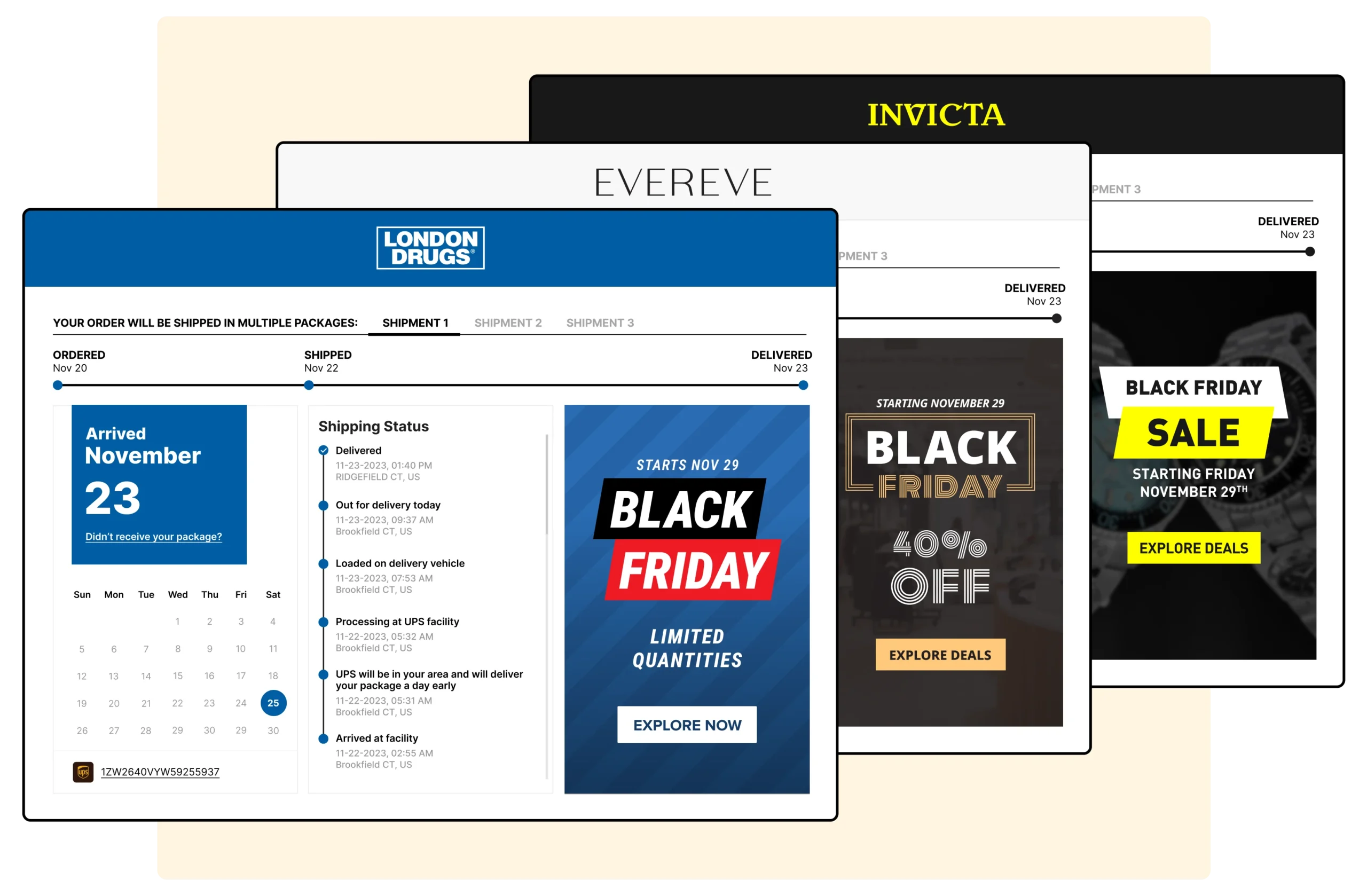
Consumers today want to know exactly what’s happening with their orders.
Branded Tracking Pages show live updates and delivery timelines.
Proactive Notifications (via SMS or email) keep customers in the loop reducing “Where’s my order?” questions by 61%.
Estimated Delivery Dates set realistic expectations and reduce cart abandonment by up to 26%.
2. Turns Returns into Revenue
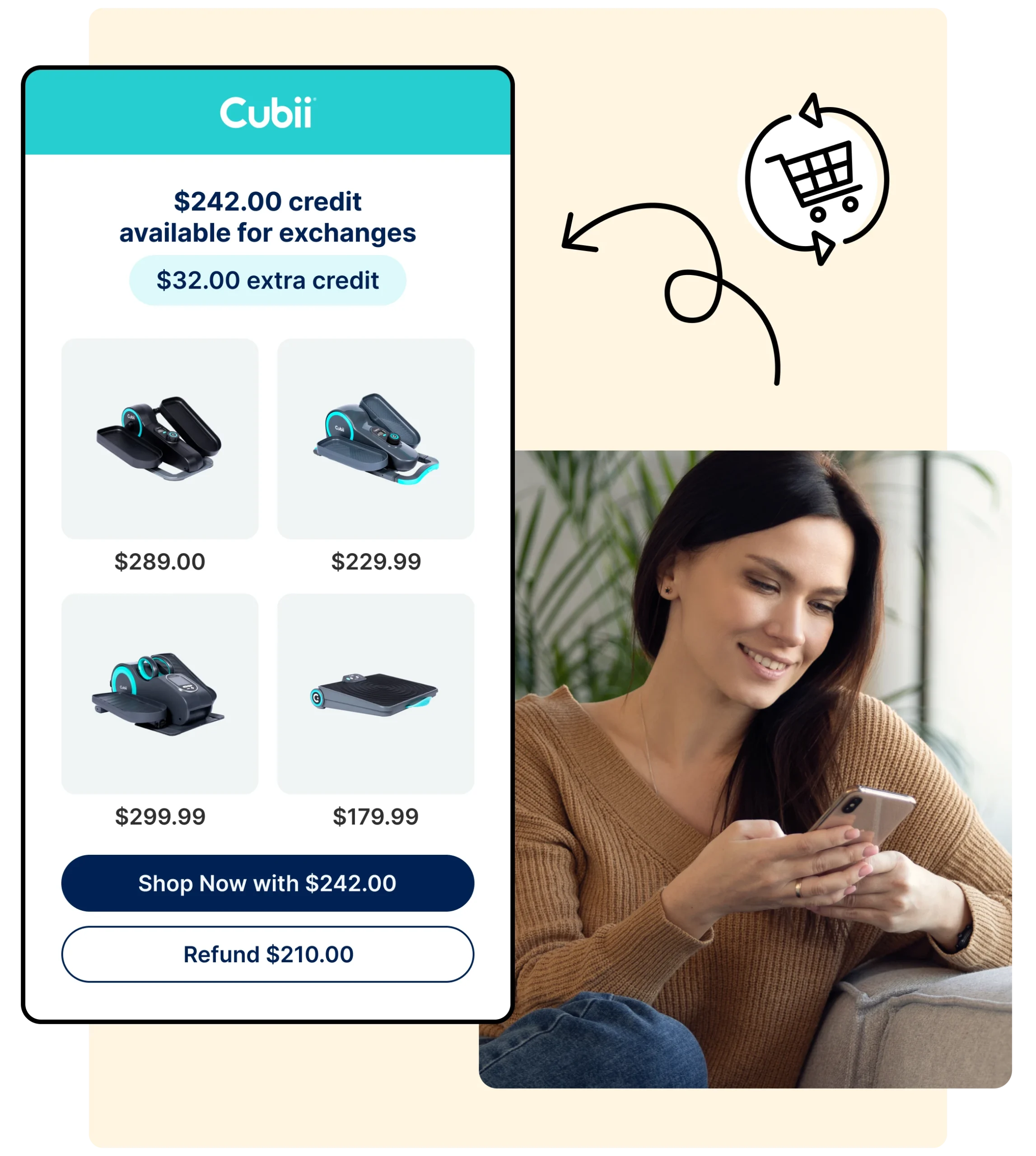
When people shop cautiously, easy returns make them more likely to buy.
Self-Service Returns Portal simplifies the process and encourages exchanges.
Upsell via Exchanges helps businesses retain up to 48% of revenue that would have been lost.
Automated Policies save time and reduce return processing by 80%.
3. Makes Every Purchase Feel Safe
In uncertain times, trust is priceless.
Shipping & Return Protection ensures customers get help if something goes wrong.
Cashback Loyalty rewards smart shoppers and fuels repeat purchases.
Fraud Prevention Tools protect profits by spotting and stopping scams automatically.
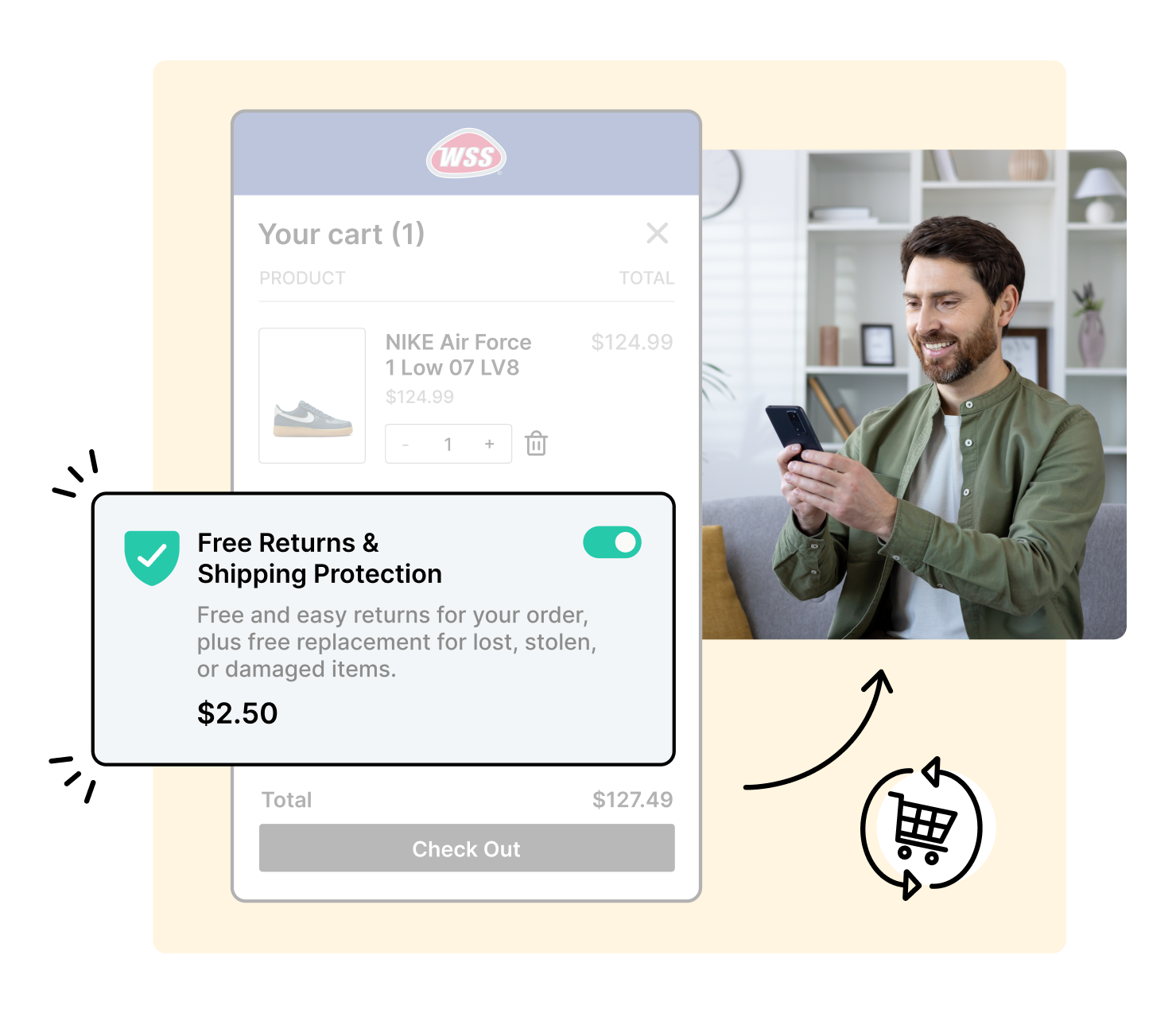
4. Enhances Flexibility and Value
Buyers now seek fairness, flexibility, and convenience more than discounts.
In-Store & Curbside Pickup cuts shipping costs and drives store traffic.
Warranty Management simplifies product claims, boosting post-purchase satisfaction.
Personalized Order Updates & Recommendations increase customer lifetime value by up to 12%.
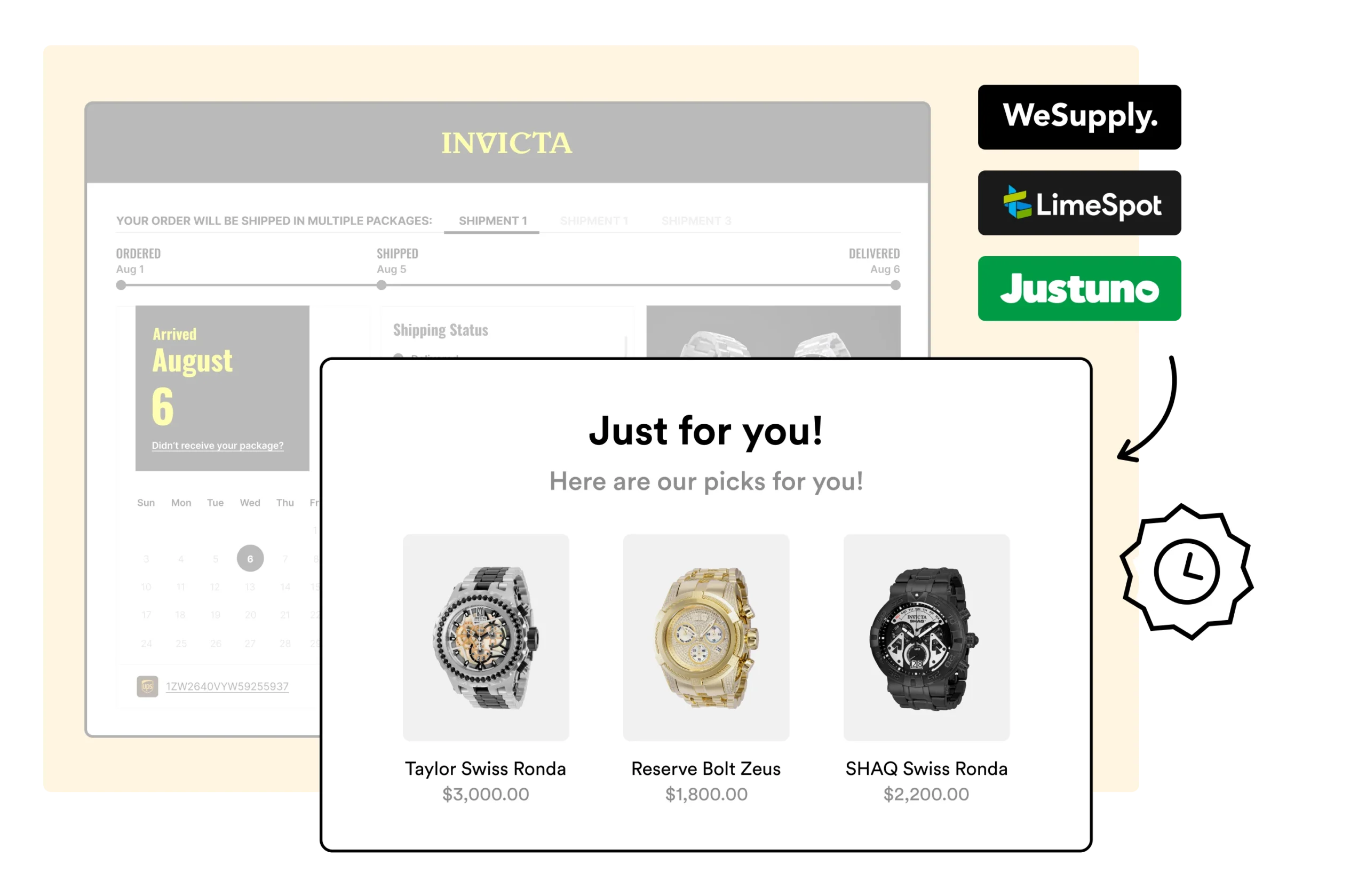
5. Strengthens Connection and Community
People spend where they feel understood.
WeSupply gives brands tools to communicate clearly, fix issues fast, and show care the keys to loyalty in lean times.
Proactive service builds community, not just transactions.
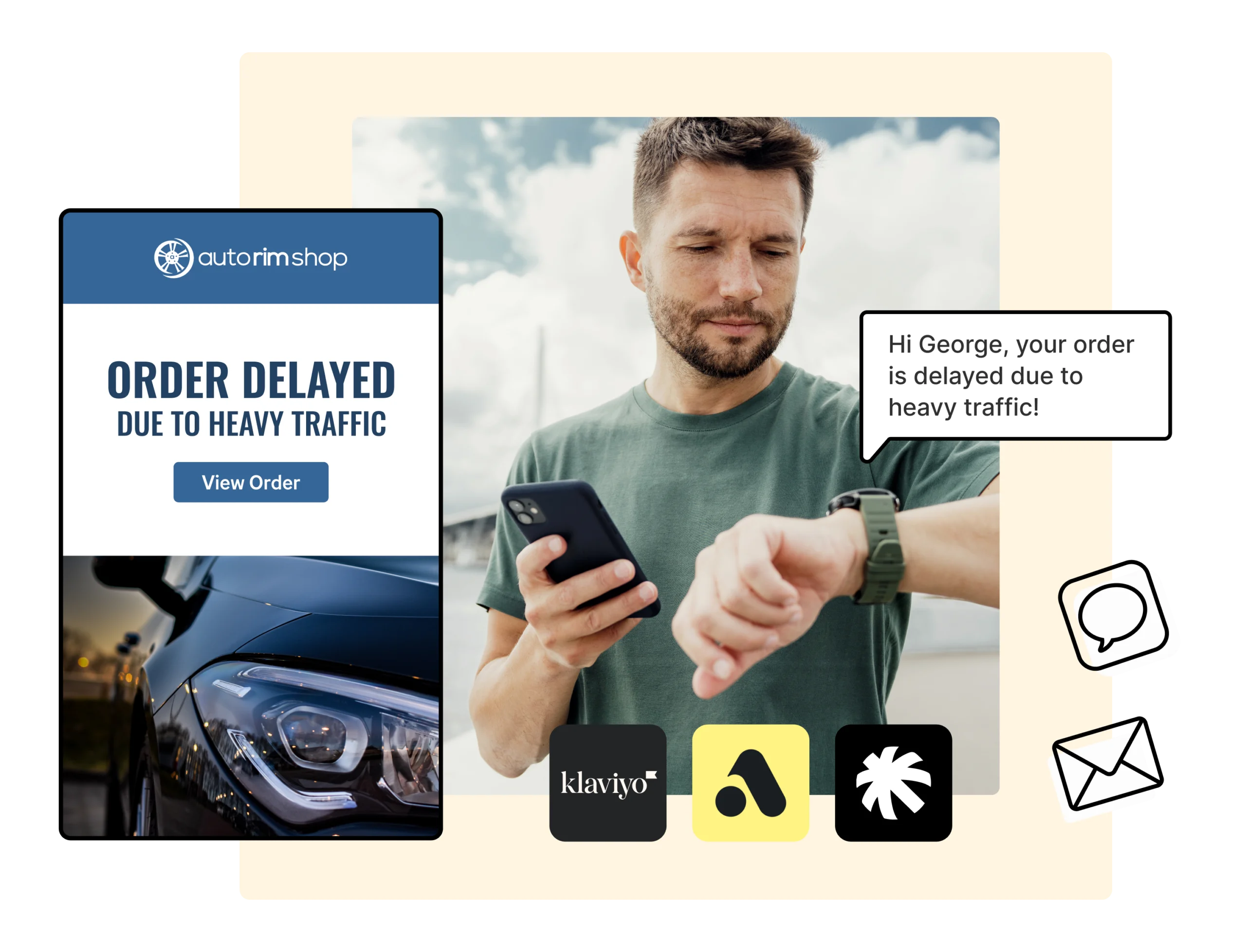
Inflation hasn’t just changed prices it’s changed people. Shoppers research longer, expect honesty, and reward brands that deliver peace of mind. WeSupply helps ecommerce businesses meet these new expectations with tools that:
✅ Reduce uncertainty (clear tracking + protection)
✅ Boost confidence (easy returns + fair policies)
✅ Retain loyalty (cashback + transparency)
✅ Increase profit (upsells + reduced service costs)
In 2025, confidence is the new currency. WeSupply helps ecommerce brands earn it by making every post-purchase step smooth, transparent, and rewarding. Whether it’s tracking, returns, or trust, WeSupply turns everyday transactions into lasting relationships.
👉 Ready to keep customers calm, confident, and coming back? Schedule a demo today and see how WeSupply transforms post-purchase into profit even in an inflation-shaped economy.
Thrive When Every Dollar Counts with WeSupply
Book a quick call to see how WeSupply helps you build trust, boost loyalty, and drive profit by turning every post-purchase moment into lasting customer confidence.
Inflation may be cooling, but its influence continues to shape how people spend and what they expect from brands. Shoppers now move with intention they research, compare, and value transparency more than ever. This new mindset demands clarity, reliability, and genuine connection at every step of the customer journey.
For ecommerce businesses, WeSupply provides the all-in-one 360° post-purchase solution built for this moment. By combining branded tracking pages, proactive delivery notifications, self-service returns, exchanges, warranty management, fraud prevention, and cashback loyalty, WeSupply turns uncertainty into confidence. Customers know exactly where their order is, can manage returns or pickup with ease, and feel protected through shipping coverage and transparent communication all while brands boost revenue, reduce costs, and build trust.
The lesson of 2025 is simple: success now depends on what happens after checkout. With WeSupply, brands don’t just deliver products they deliver confidence, care, and consistency that keep customers coming back long after the price tags fade.
1. How has inflation permanently changed consumer behavior in 2025?
Inflation has rewired spending habits. Shoppers now prioritize value, transparency, and security over low prices. Consumers compare longer, spend intentionally, and expect clear communication from brands before and after purchase.
2. Why do consumers still feel inflation even when prices are stable?
Because perception lags reality. Essential costs like food, rent, and healthcare remain high. This “vibecession” effect means people feel poorer even if inflation data improves driving more cautious, research-heavy shopping.
3. What’s the biggest shift in buyer psychology since the inflation surge?
Confidence has replaced cash as the true currency. Consumers demand clarity, easy returns, and protection features that reduce risk and make every purchase feel safe and justified.
4. How does WeSupply help ecommerce brands build trust in an inflation-driven market?
WeSupply builds confidence through branded tracking, proactive delivery updates, and transparent post-purchase communication helping brands reduce uncertainty, increase retention, and turn one-time buyers into loyal advocates.
5. What makes WeSupply essential for inflation-era ecommerce?
In cautious markets, post-purchase experience defines loyalty. WeSupply’s self-service returns, warranty management, and cashback tools make buying feel safer, boosting customer satisfaction and protecting revenue.
6. How does WeSupply turn inflation challenges into growth opportunities?
WeSupply transforms post-purchase pain points into profit by automating returns, reducing “Where’s my order?” inquiries, and delivering real-time updates that enhance trust, improve retention, and increase lifetime value.
7. Does WeSupply have an Official Shopify App?
Yes. WeSupply has an Official Shopify App. You can download it and start integrating with your Shopify Store.
8. Does WeSupply have an official Magento extension?
Yes, WeSupply has an official extension for Magento. The WeSupply x Magento integration allows for automating order tracking experiences, reducing customer inquiries, automating shipping email and SMS notifications, and providing a fully branded order tracking experience
9. Does WeSupply have an official BigCommerce App?
Yes, WeSupply has an official BigCommerce App. You can integrate WeSupply with your BigCommerce store to improve your post-purchase customer experience.
Learn How To Create Successful Post Purchase Email Campaigns
Build an effective post-purchase email flow that helps you increase customer satisfaction and drive revenue growth!

Master DDP shipping for international orders with our comprehensive guide, ensuring smooth deliveries and customer satisfaction.

Enhance customer loyalty by mastering post-purchase experience optimization. Discover practical strategies to elevate satisfaction.
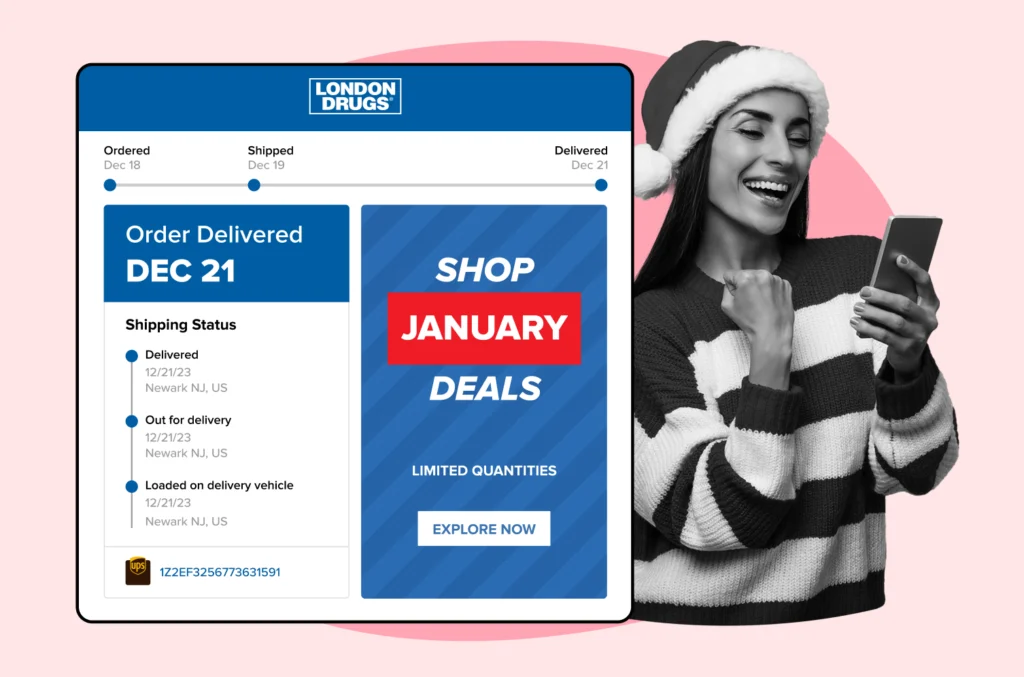
Discover effective strategies to save big this holiday season. Maximize your savings with practical tips and savvy shopping techniques.
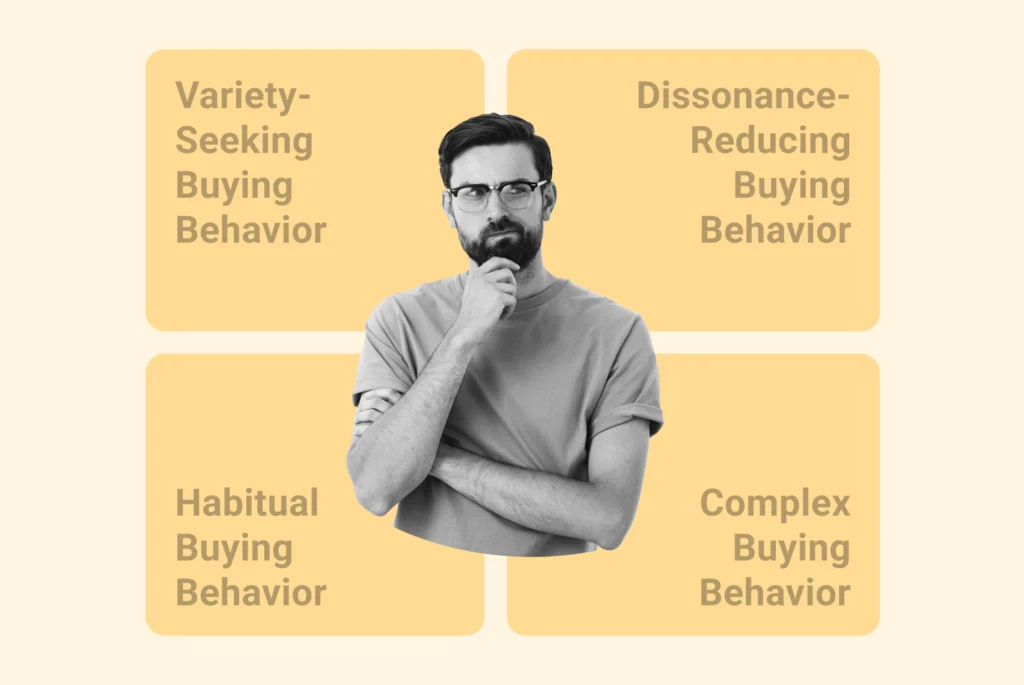
Explore how consumer buying behavior shapes market trends and strategies. Discover insights to adapt your business approach. Read more!

Understand the 30-day return policy: key insights, potential pitfalls, and tips for hassle-free returns. Read more!
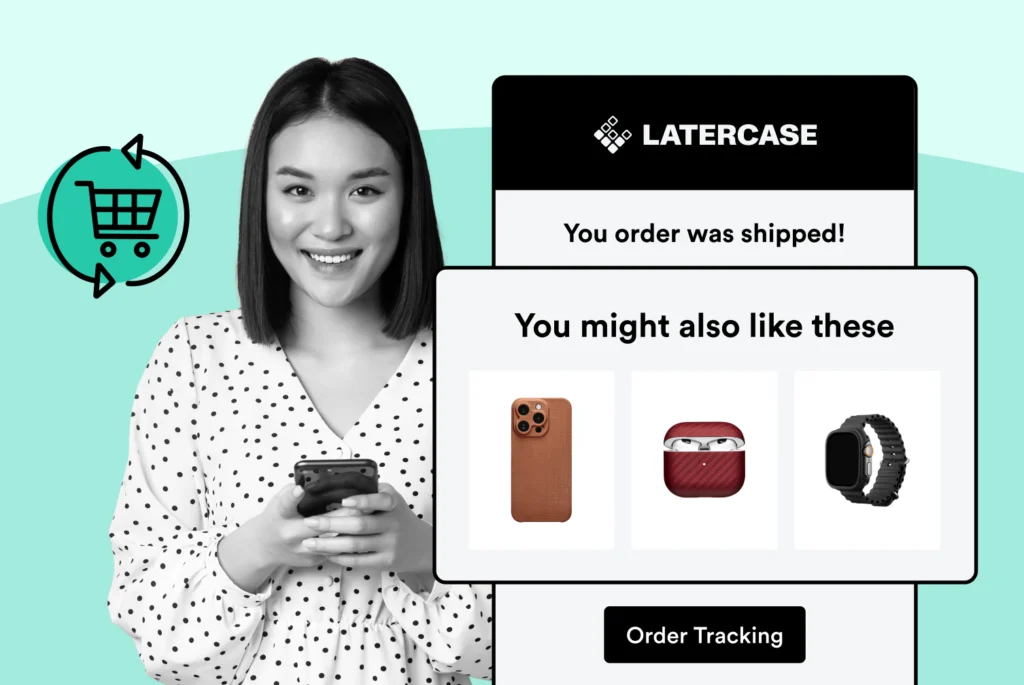
Discover effective cross-selling strategies for Shopify that can boost your revenue with minimal effort. Read the article today!

Discover how an effective order management system can streamline processes, reduce errors, and boost customer satisfaction.

Discover how to choose the right Transportation Management System for your business needs. Streamline operations and enhance efficiency.
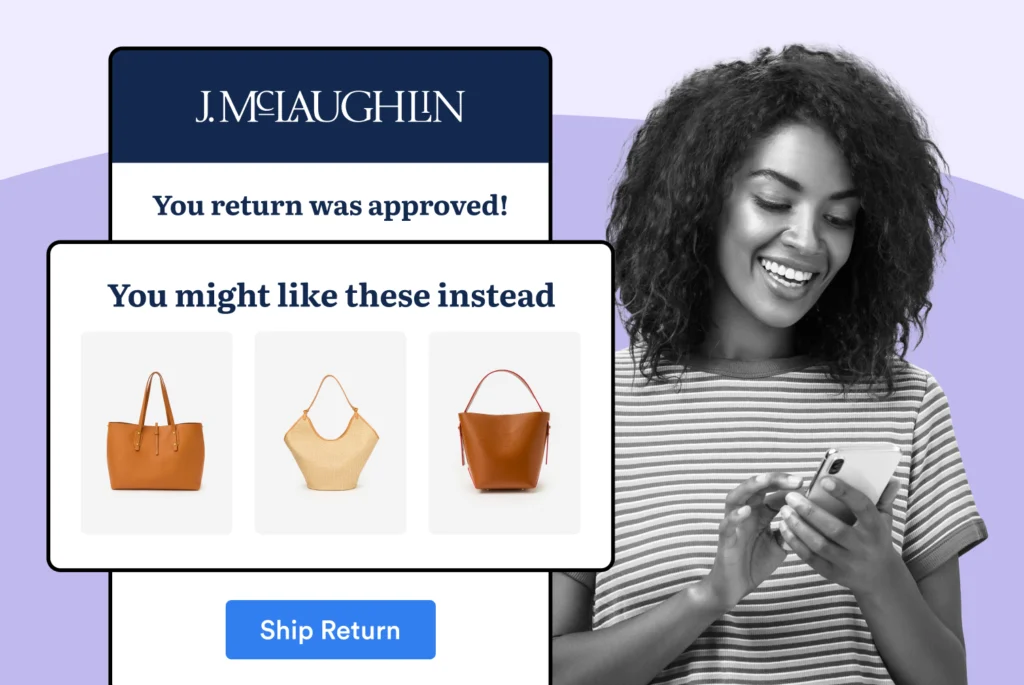
Boost your sales this peak season with effective strategies for personalized shopping. Practical tips to enhance customer engagement!