
Post Purchase Experience Optimization: The Grinch, The Scrooge, and the Profit Playbook
Enhance customer loyalty by mastering post-purchase experience optimization. Discover practical strategies to elevate satisfaction.

Shipping, Tracking & Notifications
Boost customer experience and reduce support tickets
Realtime order and shipment tracking
Proactive order and shipping notifications
AI-Enhanced Discounted Labels
Predictive pre-purchase estimated delivery dates
Self-Serivce branded order tracking
Effortless experience delivered
Identify and Resolve Order Issues
Realtime order and shipment tracking
Make returns profitable and delight customers
Flexibility to define any return destinations & conditions
Simplify returns for your customers and team
Incentivize exchanges over returns
Returns management made easy for your team
Returns management made easy for your team
Easy claims and smart upsells
Understand why your customers are returning
In-Store & Curbside Pickup
Unify the online and the in-store experience
Hassle-free pickup experience for customers
In-Store dashboard to keep operations streamlined
In-Store and Online orders unified
Drive foot-traffic to your stores
Shipping, Tracking & Notifications
Boost customer experience and reduce support tickets
Realtime order and shipment tracking
Proactive order and shipping notifications
AI-Enhanced Discounted Labels
Predictive pre-purchase estimated delivery dates
Self-Serivce branded order tracking
Effortless experience delivered
Identify and Resolve Order Issues
Realtime order and shipment tracking
Make returns profitable and delight customers
Flexibility to define any return destinations & conditions
Simplify returns for your customers and team
Incentivize exchanges over returns
Returns management made easy for your team
Returns management made easy for your team
Understand why your customers are returning
In-Store & Curbside Pickup
Unify the online and the in-store experience
Hassle-free pickup experience for customers
In-Store Dashboard to keep operations streamlined
In-Store and Online orders unified
Drive foot-traffic to your stores
Boost customer experience and reduce support tickets
Realtime order and shipment tracking
Proactive order and shipping notifications
AI-Enhanced Discounted Labels
Predictive pre-purchase estimated delivery dates
Self-Serivce branded order tracking
Effortless experience delivered
Make returns profitable and delight customers
Flexibility to define any return destinations & conditions
Simplify returns for your customers and team
Incentivize exchanges over returns
Returns management made easy for your team
Equip your team for precise return checks.
Easy claims and smart upsells
Understand why your customers are returning
Unify the online and the in-store experience
Hassle-free pickup experience for customers
In-Store Dashboard to keep operations streamlined
In-Store and Online orders unified
Drive foot-traffic to your stores
Find the answer to all your questions
Take a step by step trip through our functionality to see how we can improve your ecommerce processes.
Explore the most comon questions about WeSupply
Calculate the ROI that WeSupply can bring you
Read actionable articles on how to optimize your post-purchase experience and decrease support tickets
Get inspired by stories of how our customers implemented an effortless post-purchase experience
Wondering if WeSupply is a good fit for you? Read through our use cases to see how we can help you increase conversion & improve CX!
A Deep Dive into Top Companies' Order Tracking & Returns Strategy
Find the answer to all your questions
Explore the most comon questions about WeSupply
Calculate the ROI that WeSupply can bring you
Request a no strings attached review of your current shopping experience and missed conversion opportunities
Take a step by step trip through our functionality to see how we can improve your ecommerce processes.
Read actionable articles on how to optimize your post-purchase experience and decrease support tickets
Get inspired by stories of how our customers implemented an effortless post-purchase experience
A Deep Dive into Top Companies' Order Tracking & Returns Strategy
Wondering if WeSupply is a good fit for you? Read through our use cases to see how we can help you increase conversion & improve CX!
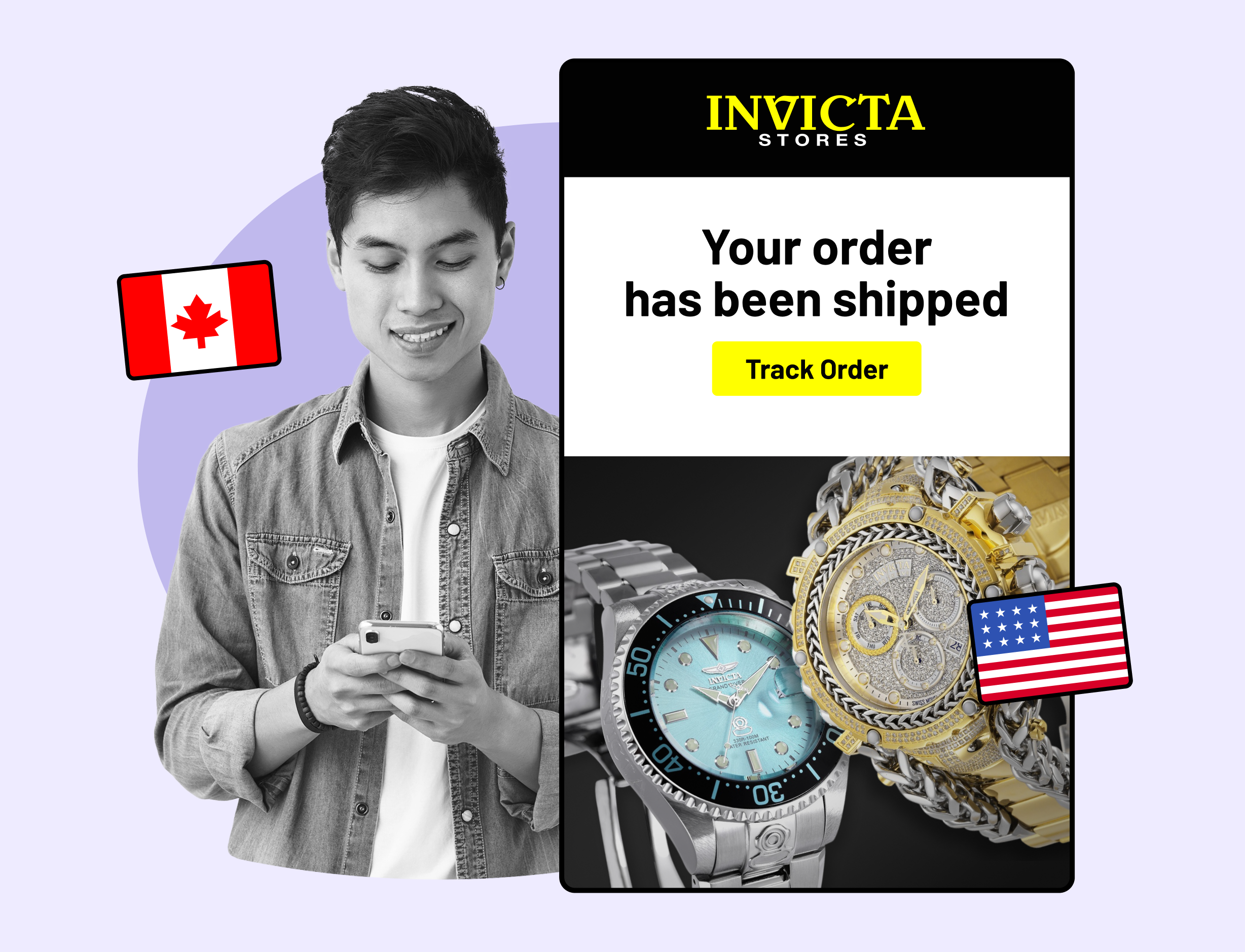
Selling products around the world has never been easier. Thanks to e-commerce platforms, international carriers, and online marketplaces, a small brand can now reach customers in dozens of countries.
But for many businesses, the hardest part of global sales isn’t finding buyers it’s handling shipping, customs, and taxes. Nothing kills a customer’s excitement faster than a surprise customs bill or a package stuck at the border.
That’s where Delivered Duty Paid (DDP) shipping changes the game. With DDP, the seller takes full responsibility for getting the order to the customer’s doorstep, including all shipping fees, customs duties, and taxes. For buyers, it feels like ordering from a local store. For sellers, it creates a smoother experience that builds trust and drives repeat sales.
According to the International Chamber of Commerce (ICC), about 90% of global trade relies on standardized shipping terms called Incoterms to define who pays for what. DDP is one of the most customer-friendly of these terms, and understanding how it works can help your business expand globally without headaches.
“Delivered Duty Paid,” or DDP, is one of the 11 Incoterms published by the ICC. These rules outline who is responsible for costs, risks, and paperwork when goods move across borders.
Under DDP, the seller carries nearly all the responsibility. That includes:
Paying for transportation from their warehouse to the buyer’s address
Handling export clearance from their own country
Managing import customs in the buyer’s country
Paying all duties, taxes, and fees
Covering insurance during transit
Once the product arrives safely at the buyer’s door, the seller’s job is done.
This setup is very different from terms like DAP (Delivered at Place) or DDU (Delivered Duty Unpaid), where the buyer must handle customs clearance and pay duties on arrival. DDP avoids those frustrating “surprise costs,” making international purchases feel seamless for the customer.
Let’s be honest DDP isn’t the easiest or cheapest option for sellers. You take on more costs, more paperwork, and more risk. But many businesses still prefer it, and here’s why.
When customers see one total price that includes everything product, shipping, and taxes they’re far more likely to buy. Studies show nearly 70% of shoppers abandon carts when unexpected fees appear at checkout. DDP prevents that problem by showing a clear, all-inclusive price.
With DDP, the seller handles customs and shipping, meaning fewer delays or returns caused by buyer confusion. This is especially important for high-value or brand-sensitive products like electronics, fashion, or cosmetics items where customer trust is everything.
Customers love when their order arrives fast and without surprises. DDP allows sellers to offer that level of convenience, turning a complicated international purchase into a smooth local-like experience.
Of course, there are trade-offs. Duties and taxes differ from country to country, and a single mistake (like using the wrong customs code) can be expensive. For low-cost products, the duties might even exceed the item’s value. That’s why DDP works best when the potential rewards like customer loyalty and higher sales outweigh the risks.
Understanding DDP becomes much clearer when you see how it unfolds from start to finish.
Everything starts with a clear sales contract that states “DDP” as the shipping term. Both the buyer and seller must agree on the final delivery location usually the buyer’s home or office. The seller’s responsibility doesn’t end until the package reaches that specific spot.
Next, the seller packages the goods and prepares all required documents, such as a commercial invoice and packing list. It’s also important to check the rules in the destination country some products (like food, electronics, or medical items) need special certificates or permits. Skipping these steps can cause long delays.
Before leaving the seller’s country, the shipment must clear export customs. The seller files the paperwork and pays any required export duties or fees.
Once cleared, the goods are shipped by air, sea, or courier depending on cost and urgency. The seller pays for the transport and usually adds insurance to protect against damage or loss.
When the shipment reaches the buyer’s country, the seller (or their logistics partner) handles customs clearance. This includes paying duties, taxes, and processing fees. For example, most European countries charge Value-Added Tax (VAT) between 17% and 27% on imports.
After customs release, the shipment is handed off to a local carrier for last-mile delivery. Again, the seller covers the cost, so the buyer pays nothing extra on arrival.
Once the buyer receives the package, a delivery confirmation is issued. Only then does the responsibility officially transfer from seller to buyer.
Choosing DDP means taking responsibility for almost everything, so it’s crucial to understand the cost structure and documentation involved.
Under DDP, sellers are in charge of:
Paperwork – preparing commercial invoices, certificates, and shipping documents
Customs clearance – paying and filing duties, taxes, and import forms
Transportation – booking carriers, arranging final delivery, and insuring the shipment
Cost calculation – estimating all expenses upfront and building them into the product price
Risk coverage – taking full liability for the goods until delivery
Let’s look at an example:
If you’re selling a $100 jacket to a customer in the UK, you’ll need to include the 20% VAT ($20), a 12% customs duty ($12), plus shipping and carrier fees perhaps another $10–$15. Unless you add those costs to the product price, your profit disappears fast.
Here’s what typically makes up the total DDP expense:
Shipping fees – cost of air, sea, or courier transport
Customs duties and taxes – tariffs, VAT, or GST charged by the destination country
Insurance – protection against loss or damage in transit
Broker or agent fees – for handling customs paperwork and clearance
Storage or demurrage charges – if goods get delayed at ports or airports
Because these costs can vary by country and even by product type, many sellers use specialized software or logistics partners to estimate “landed costs” accurately before setting prices.
A well-written DDP agreement helps prevent confusion. It should include:
The exact delivery location
Who is responsible for unloading (often the buyer)
Details about duties, taxes, and risk transfer
Payment terms and timeframes
Customs clearance, in particular, can get tricky. Missing or incorrect documents like the certificate of origin or bill of lading can hold shipments for weeks. Many sellers avoid this risk by working with customs brokers, who help classify products correctly using the right Harmonized System (HS) codes and ensure compliance with each country’s rules.
DDP can be a fantastic way to improve the customer experience but it’s not right for every business. Here’s when it usually works best:
High-value or premium items: For expensive goods like electronics, designer clothing, or jewelry, customers expect smooth, worry-free delivery.
Customer-first brands: Businesses focused on transparency and trust can use DDP to stand out.
Market testing: DDP is great for trying out new markets (like the UK, EU, or Australia) without setting up a local warehouse.
Low-priced products: If an item sells for under $30, the import duties and taxes may wipe out your profit.
Complex or restricted markets: Countries like Russia or Brazil often have complicated import rules that make DDP difficult.
Inexperienced sellers: Without a clear understanding of customs processes, you risk paying unnecessary fees or breaking local rules.
The key is to weigh your margins, market potential, and logistics capabilities before deciding if DDP fits your strategy.
When DDP Shipping Makes Sense (and When It Doesn’t)
Book a quick call to see how WeSupply helps you use DDP strategically to boost profit and simplify delivery.
Most sellers don’t handle every DDP task manually. They partner with carriers or logistics platforms that simplify the process. Major shipping companies like DHL, UPS, and FedEx all offer DDP options, and e-commerce logistics providers like ShipBob and Flexport can manage everything from duty calculation to last-mile delivery.
Let’s say you’re a U.S. clothing brand shipping to the UK. Here’s a simplified setup:
In your Shopify store, enable international shipping to the UK.
Connect your account with DHL or another carrier offering DDP services.
Use an app (like Zonos or Avalara) to automatically calculate duties and VAT at checkout.
At checkout, customers see the full “landed cost” and pay everything upfront.
DHL manages customs clearance, pays the taxes, and delivers the order directly to your customer’s door.
From the buyer’s perspective, it feels no different than ordering from a domestic brand.
Start small. Test DDP with one or two target countries before expanding globally.
Budget carefully. Expect duties and taxes to add 10–30% to your total costs.
Communicate clearly. Tell customers that all fees are included in their price.
Monitor and adjust. Track your costs by country and tweak your pricing if needed.
Stay informed. Trade rules and tariffs change often—review them regularly.
Even experienced sellers make errors with DDP. Watch out for these:
Wrong duty classification: Using an incorrect HS code can result in overpaying or underpaying duties.
Incomplete paperwork: Missing invoices or certificates can stall shipments for weeks.
Hidden costs: If your goods sit in customs too long, you might pay unexpected storage fees.
Overpromising: Don’t guarantee impossible delivery times customs clearance can vary.
Double-checking documentation and working with reliable logistics partners can help avoid most of these pitfalls.
Shipping products to customers around the world sounds exciting but it often gets complicated fast. Between customs, taxes, and delivery delays, even the best businesses can lose time, money, and customer trust.
That’s where WeSupply steps in. Think of it as your all-in-one helper that connects every part of your post-purchase process so DDP shipping becomes simple, transparent, and stress-free for both you and your customers.
WeSupply makes sure your global orders feel as easy as local ones no surprise fees, no lost packages, no endless “Where is my order?” messages.
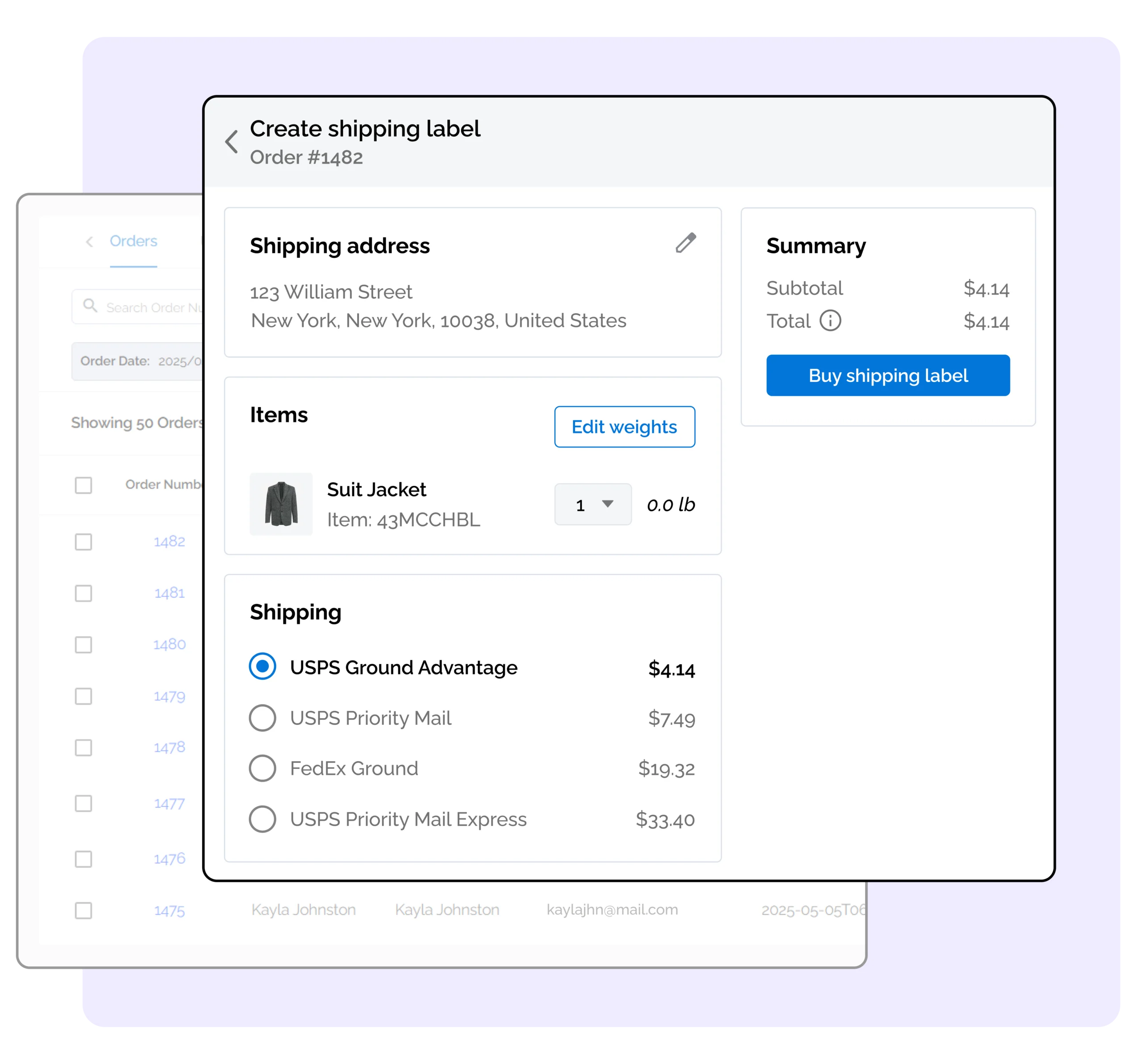
When you sell to customers overseas, their first impression of your brand doesn’t stop at checkout it’s shaped by the delivery experience.
With DDP, customers expect a frictionless process: no customs confusion, no surprise taxes, just a smooth delivery to their door.
WeSupply turns that expectation into reality by giving you tools to:
Prevent customs delays through clean, automated documentation
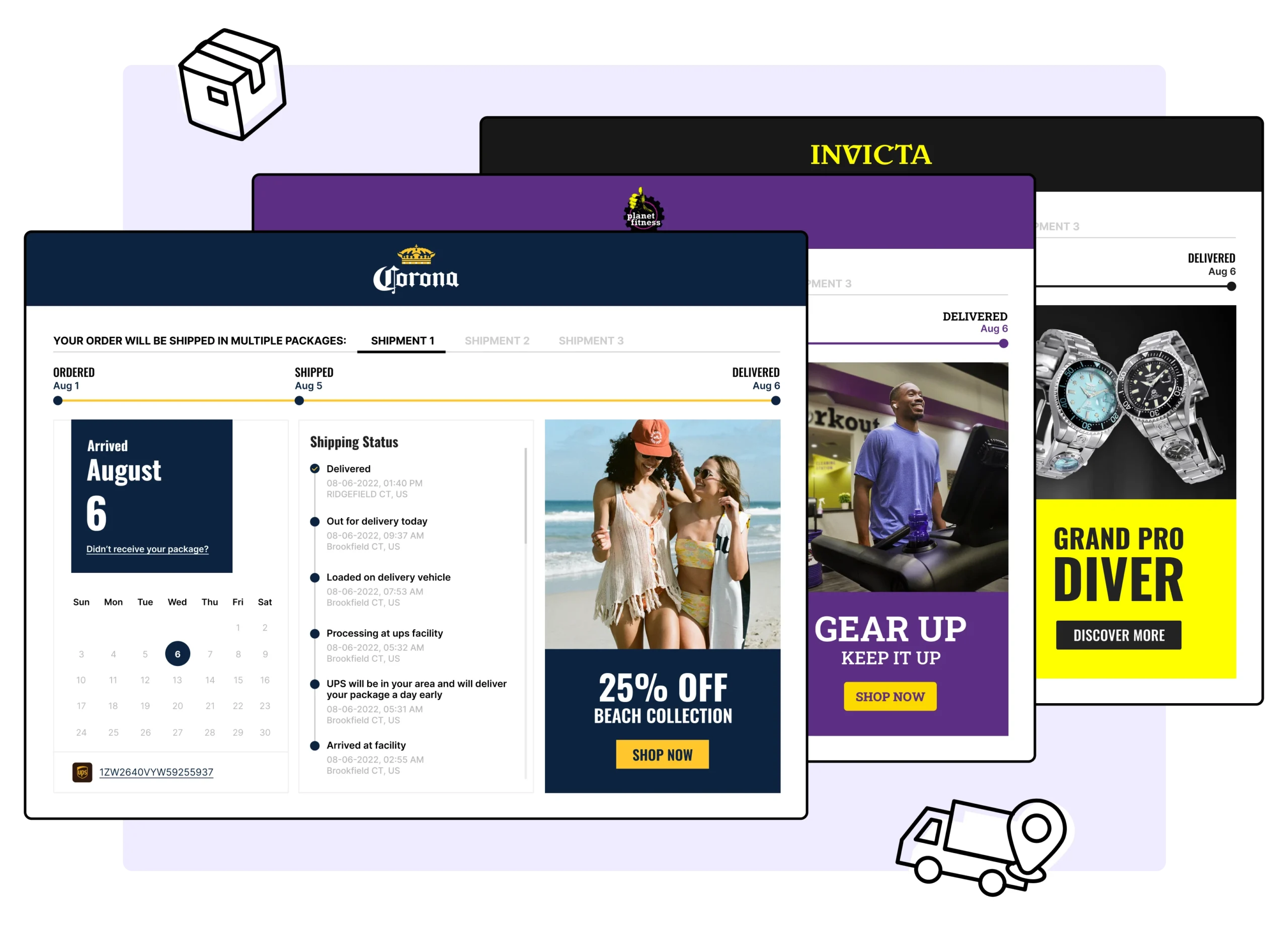
Communicate every step of the way through branded notifications
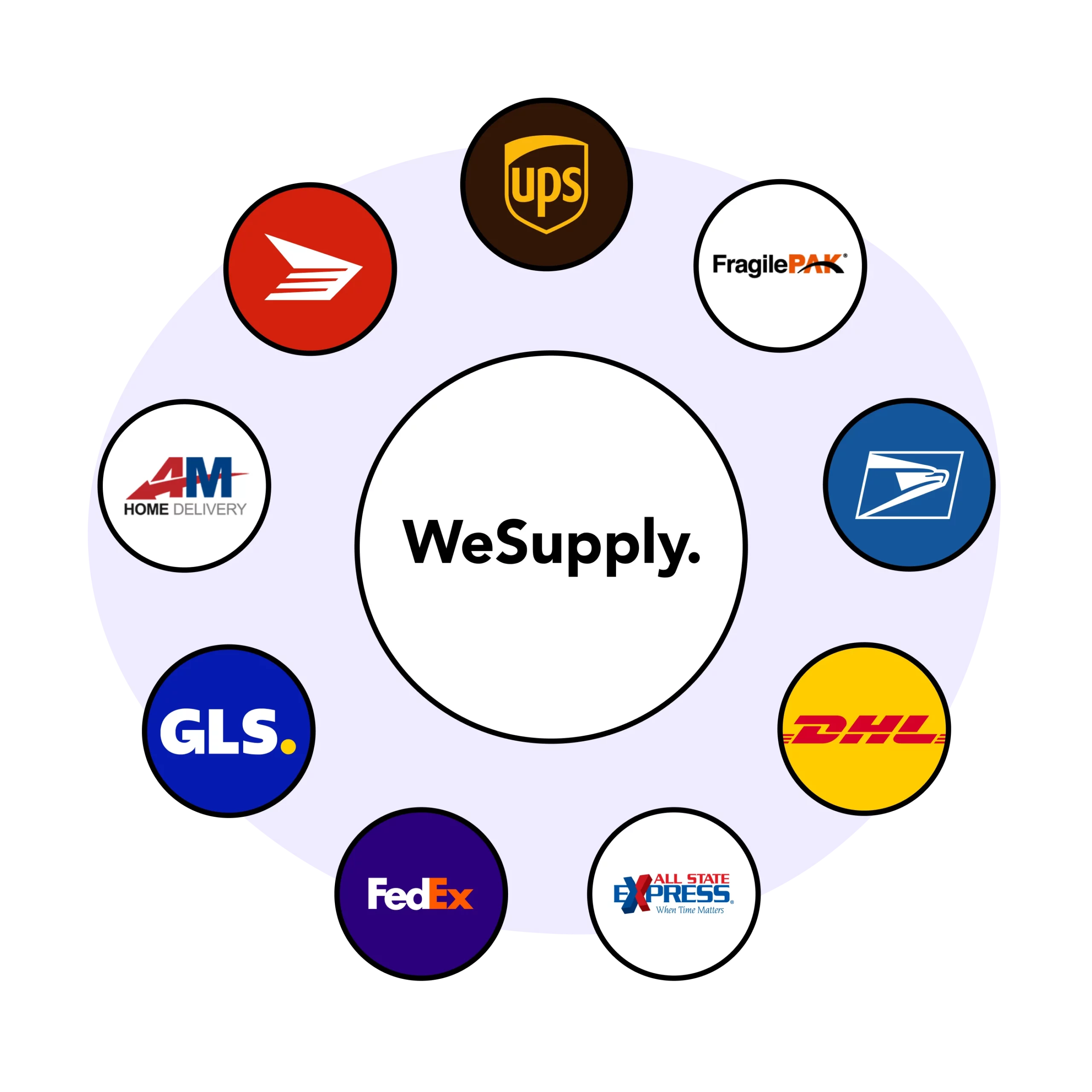
Manage DDP shipments from multiple carriers in one place
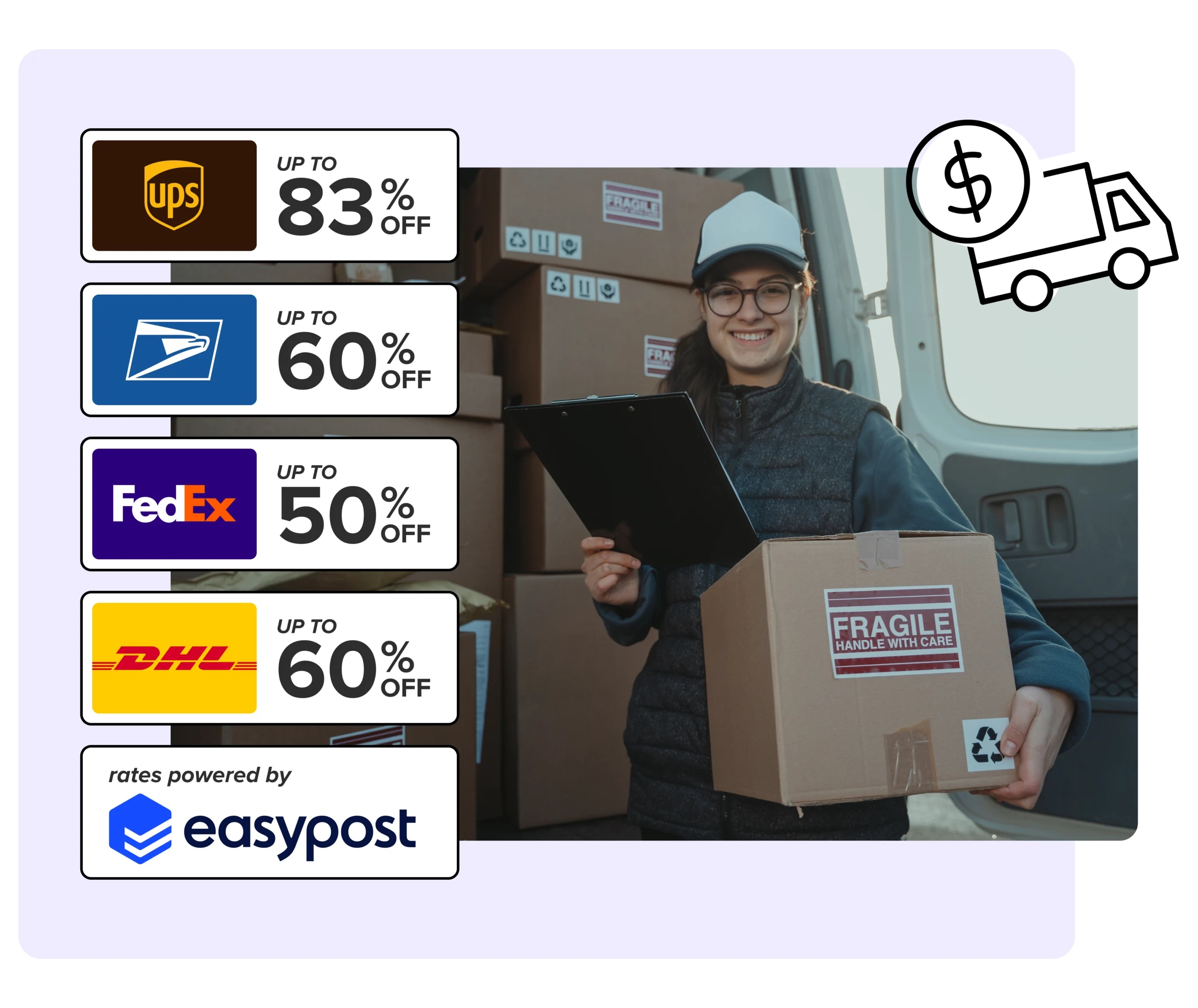
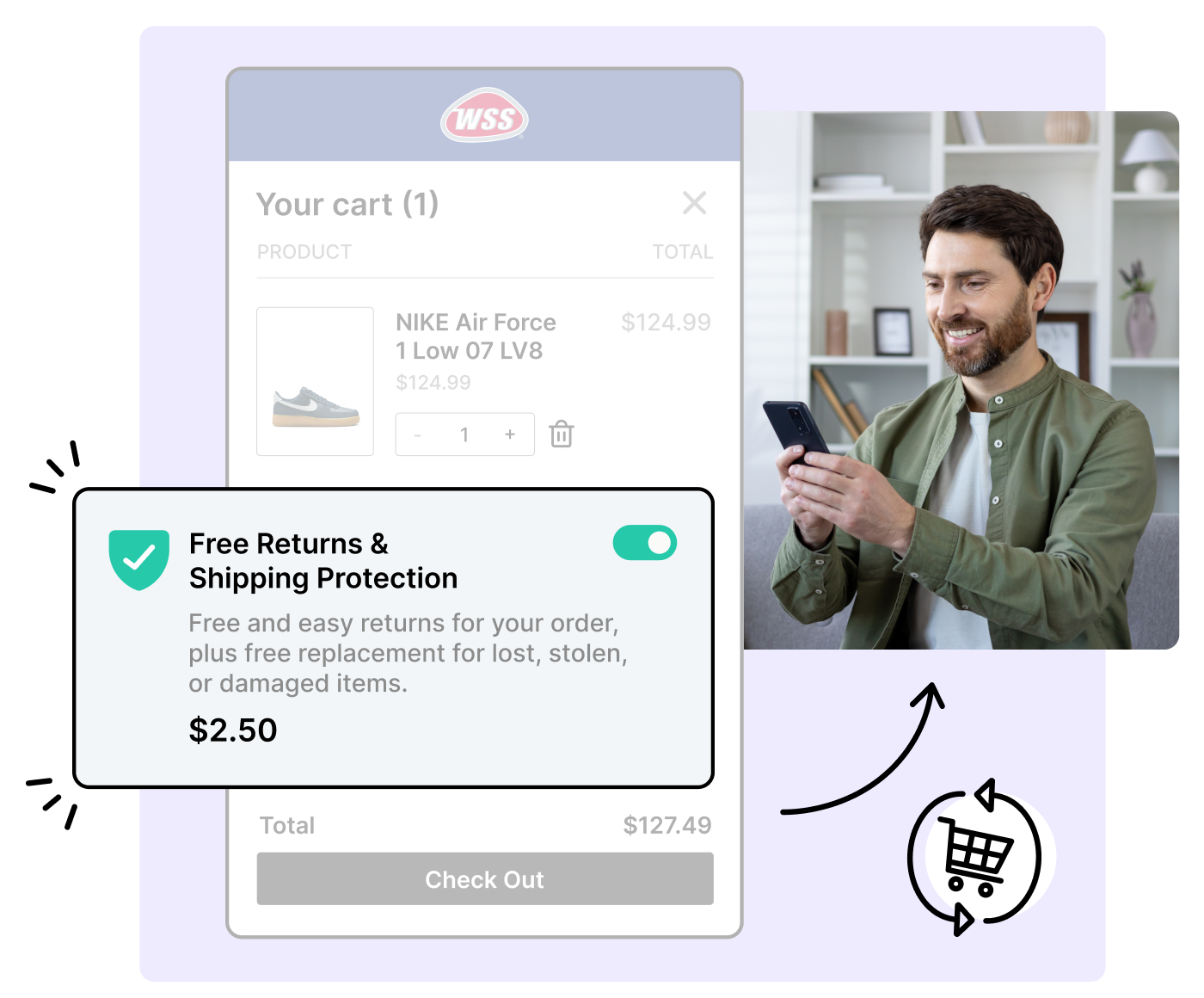
Protect your margins with smart rate comparisons and discounts
This means you can scale globally with confidence, knowing every order is handled accurately from label to delivery.
What makes WeSupply different is that it’s not just a shipping tool it’s a full post-purchase experience platform.
It helps you handle every part of what happens after checkout:
So when you integrate WeSupply into your workflow, you’re not only improving shipping you’re building trust, loyalty, and repeat purchases.
Because happy customers don’t just buy once they come back. And that’s exactly what WeSupply is built to help you achieve.
Managing DDP shipping on your own can be complex between taxes, carriers, customs, and communication, it’s easy to make mistakes.
But with WeSupply, everything is connected:
Your orders sync automatically
Labels and duties are handled accurately
Customers stay informed and reassured
Costs stay transparent and under control
You focus on growing your brand; WeSupply takes care of the rest.
Whether you’re shipping to Paris, Tokyo, or Toronto, WeSupply turns international DDP shipping into a local-level experience fast, affordable, and frustration-free.
See how WeSupply can streamline your post-purchase operations, save on global shipping costs, and deliver the kind of experience customers love.
👉 Book a free demo today and discover how effortless international shipping can be with WeSupply.
Delivered Duty Paid (DDP) shipping may not be the simplest option, but with WeSupply, it becomes one of the most powerful strategies for global growth.
By connecting your orders, carriers, and customers in one unified platform, WeSupply turns complex international logistics into a seamless, branded experience. From instant, accurate label generation to discounted global rates powered by EasyPost, you can ship faster and smarter without worrying about surprise customs fees or delays. Real-time tracking, automated notifications, and built-in analytics help you keep customers informed, reduce “Where is my order?” calls, and improve satisfaction at every step. With insurance protection, access to over 100 carriers, and easy duty and tax management, WeSupply makes DDP shipping as effortless as domestic delivery.
When done right, it eliminates barriers, boosts trust, and keeps buyers coming back.
1. What does Delivered Duty Paid (DDP) mean in international shipping?
Delivered Duty Paid (DDP) means the seller covers all shipping, customs, and tax costs until delivery to the buyer’s door ensuring a frictionless, “local-like” shopping experience for international customers.
2. Why should global e-commerce sellers use DDP shipping?
DDP eliminates surprise customs fees, boosts checkout conversions, and builds buyer trust. Sellers control shipping, simplify customs, and deliver a seamless, premium customer experience across borders.
3. How does the DDP process work from start to delivery?
Sellers manage everything from export clearance and duty payment to final delivery. Buyers receive goods without extra fees or paperwork, making DDP the most customer-friendly Incoterm for e-commerce.
4. How does WeSupply simplify DDP shipping for e-commerce stores?
WeSupply automates customs paperwork, duty calculation, and carrier selection turning complex global shipping into a local-like delivery experience that’s accurate, trackable, and transparent.
5. Can WeSupply help reduce international DDP shipping costs?
Yes. WeSupply offers up to 83% off global carrier rates through EasyPost integration, helping sellers maintain profit margins while offering full-duty-paid delivery worldwide.
6. How does WeSupply improve customer experience with DDP orders?
WeSupply provides real-time tracking, branded updates, and proactive notifications during customs and delivery reducing “Where is my order?” messages and boosting buyer confidence globally.
7. Does WeSupply have an Official Shopify App?
Yes. WeSupply has an Official Shopify App. You can download it and start integrating with your Shopify Store.
8. Does WeSupply have an official Magento extension?
Yes, WeSupply has an official extension for Magento. The WeSupply x Magento integration allows for automating order tracking experiences, reducing customer inquiries, automating shipping email and SMS notifications, and providing a fully branded order tracking experience
9. Does WeSupply have an official BigCommerce App?
Yes, WeSupply has an official BigCommerce App. You can integrate WeSupply with your BigCommerce store to improve your post-purchase customer experience.
Learn How To Create Successful Post Purchase Email Campaigns
Build an effective post-purchase email flow that helps you increase customer satisfaction and drive revenue growth!
Enhance customer loyalty by mastering post-purchase experience optimization. Discover practical strategies to elevate satisfaction.

Discover effective strategies to save big this holiday season. Maximize your savings with practical tips and savvy shopping techniques.

Explore how consumer buying behavior shapes market trends and strategies. Discover insights to adapt your business approach. Read more!

Understand the 30-day return policy: key insights, potential pitfalls, and tips for hassle-free returns. Read more!
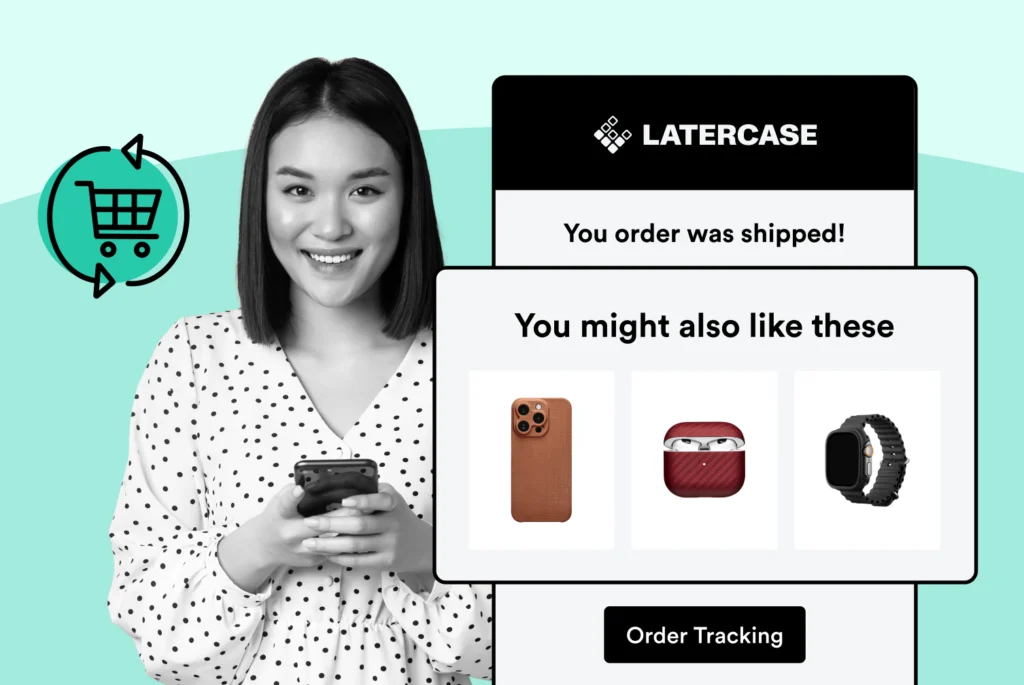
Discover effective cross-selling strategies for Shopify that can boost your revenue with minimal effort. Read the article today!

Discover how an effective order management system can streamline processes, reduce errors, and boost customer satisfaction.

Discover how to choose the right Transportation Management System for your business needs. Streamline operations and enhance efficiency.

Boost your sales this peak season with effective strategies for personalized shopping. Practical tips to enhance customer engagement!

Discover effective post-purchase engagement strategies to enhance customer loyalty and keep your audience coming back.