Book a quick call to see how WeSupply helps you understand returns, track satisfaction, and turn insights into happier, more loyal customers.
Understanding the 4 Types of Consumer Buying Behavior


Shipping, Tracking & Notifications
Boost customer experience and reduce support tickets
Realtime order and shipment tracking
Proactive order and shipping notifications
AI-Enhanced Discounted Labels
Predictive pre-purchase estimated delivery dates
Self-Serivce branded order tracking
Effortless experience delivered
Identify and Resolve Order Issues
Realtime order and shipment tracking
Make returns profitable and delight customers
Flexibility to define any return destinations & conditions
Simplify returns for your customers and team
Incentivize exchanges over returns
Returns management made easy for your team
Returns management made easy for your team
Easy claims and smart upsells
Understand why your customers are returning
In-Store & Curbside Pickup
Unify the online and the in-store experience
Hassle-free pickup experience for customers
In-Store dashboard to keep operations streamlined
In-Store and Online orders unified
Drive foot-traffic to your stores
Shipping, Tracking & Notifications
Boost customer experience and reduce support tickets
Realtime order and shipment tracking
Proactive order and shipping notifications
AI-Enhanced Discounted Labels
Predictive pre-purchase estimated delivery dates
Self-Serivce branded order tracking
Effortless experience delivered
Identify and Resolve Order Issues
Realtime order and shipment tracking
Make returns profitable and delight customers
Flexibility to define any return destinations & conditions
Simplify returns for your customers and team
Incentivize exchanges over returns
Returns management made easy for your team
Returns management made easy for your team
Understand why your customers are returning
In-Store & Curbside Pickup
Unify the online and the in-store experience
Hassle-free pickup experience for customers
In-Store Dashboard to keep operations streamlined
In-Store and Online orders unified
Drive foot-traffic to your stores
Boost customer experience and reduce support tickets
Realtime order and shipment tracking
Proactive order and shipping notifications
AI-Enhanced Discounted Labels
Predictive pre-purchase estimated delivery dates
Self-Serivce branded order tracking
Effortless experience delivered
Make returns profitable and delight customers
Flexibility to define any return destinations & conditions
Simplify returns for your customers and team
Incentivize exchanges over returns
Returns management made easy for your team
Equip your team for precise return checks.
Easy claims and smart upsells
Understand why your customers are returning
Unify the online and the in-store experience
Hassle-free pickup experience for customers
In-Store Dashboard to keep operations streamlined
In-Store and Online orders unified
Drive foot-traffic to your stores
Find the answer to all your questions
Take a step by step trip through our functionality to see how we can improve your ecommerce processes.
Explore the most comon questions about WeSupply
Calculate the ROI that WeSupply can bring you
Read actionable articles on how to optimize your post-purchase experience and decrease support tickets
Get inspired by stories of how our customers implemented an effortless post-purchase experience
Wondering if WeSupply is a good fit for you? Read through our use cases to see how we can help you increase conversion & improve CX!
A Deep Dive into Top Companies' Order Tracking & Returns Strategy
Find the answer to all your questions
Explore the most comon questions about WeSupply
Calculate the ROI that WeSupply can bring you
Request a no strings attached review of your current shopping experience and missed conversion opportunities
Take a step by step trip through our functionality to see how we can improve your ecommerce processes.
Read actionable articles on how to optimize your post-purchase experience and decrease support tickets
Get inspired by stories of how our customers implemented an effortless post-purchase experience
A Deep Dive into Top Companies' Order Tracking & Returns Strategy
Wondering if WeSupply is a good fit for you? Read through our use cases to see how we can help you increase conversion & improve CX!
In today’s world, where consumers are flooded with choices, understanding why people buy what they buy is more important than ever. Whether it’s a $3 snack or a $30,000 car, every purchase follows a pattern a blend of logic, emotion, and habit.
This is what marketers call consumer buying behavior. And knowing which type of behavior drives your customer’s decision can completely change how you design your marketing strategy, write your ads, and even price your product.
Let’s dive into what consumer buying behavior really means, what shapes it, and most importantly how you can use the four main types of buying behavior to make smarter marketing choices.
At its core, consumer behavior is the study of how people decide what to buy, why they buy it, how they use it, and what they think afterward. It’s a mix of psychology, sociology, and economics all rolled into one.
For a business, understanding consumer behavior is not just about predicting sales. It’s about seeing the world through the buyer’s eyes. This insight helps brands create products people actually want, write messages that connect emotionally, and build loyalty that lasts for years.
Here’s a simple truth: companies that truly understand their customers grow faster. A 2024 McKinsey study found that brands using behavioral insights outperform peers by 85% in sales growth and more than 25% in gross margin. That’s a huge gap and it’s not due to luck. It’s because these brands understand the “why” behind each purchase.
In the age of data, where every click and scroll tells a story, decoding consumer behavior is no longer optional it’s your competitive advantage.
Every buying decision, big or small, is influenced by a web of personal, social, and psychological factors. Some are conscious we think about price, quality, or reviews. Others happen almost automatically shaped by habit, mood, or even peer pressure.
Who we are affects what we buy. Our age, lifestyle, job, and income guide how much we’re willing to spend and what we value most. For example, a young professional might invest in the latest smartphone for productivity, while a retiree might prioritize comfort and health-related products.
We don’t make decisions in isolation. Friends, family, and even social media influencers have a powerful effect on what feels “normal” to buy. Studies show that 74% of consumers trust social media recommendations, even from people they’ve never met. It’s social proof we look to others to confirm what’s good or safe to buy.
Culture shapes what we see as valuable or appropriate. A family in Japan may prioritize harmony and simplicity in their purchases, while a family in the U.S. might emphasize individuality and convenience. Cultural norms even affect colors, packaging, and advertising tone.
Finally, our mind plays tricks on us. We interpret information through our beliefs, experiences, and perceptions. For example, a higher price can make a product seem more trustworthy, even if the quality is similar. That’s why luxury brands rarely use discounts they sell confidence as much as craftsmanship.
Understanding these layers helps marketers see beyond the transaction. They can tailor their approach not to push a product, but to fit naturally into the consumer’s mindset.
Every purchase follows a journey even small ones. Most consumer psychologists agree that there are five main stages in this process:
Problem recognition – Realizing there’s a need (“I’m hungry” or “My laptop is too slow”).
Information search – Looking for options and solutions.
Evaluation of alternatives – Comparing features, prices, and reviews.
Purchase decision – Making the final choice.
Post-purchase evaluation – Reflecting on whether it was worth it.
For high-value items, this process can take weeks or months. For low-cost items, it may take seconds or happen automatically.
The interesting part? Not every consumer goes through all five steps the same way. Some skip stages, others repeat them. For example, someone buying toothpaste probably doesn’t research or compare much they grab what they recognize. But someone buying a car might read dozens of reviews, compare specs, and test-drive multiple options.
Smart marketers know that the real work starts after the purchase. That’s when customers decide whether they’re satisfied and whether they’ll buy again. In fact, studies show that a 5% increase in customer retention can boost profits by up to 95%. Why? Because happy customers come back and bring others with them.
Back in the 1980s, marketing professor Henry Assael created a model that remains one of the most practical tools in marketing today. He identified that buying decisions depend mainly on two things:
Level of involvement: How important or risky the purchase feels to the buyer.
Perceived difference between brands: How much the buyer thinks the available options differ.
When you cross these two dimensions, you get four main types of consumer buying behavior and each one needs a completely different marketing approach.
These are high-stakes purchases expensive, rare, and emotionally loaded. Think houses, cars, or high-end electronics. The buyer spends a lot of time researching, comparing, and thinking.
Here, trust and knowledge are key. Buyers need to feel confident they’re making the right choice. That’s why brands like Tesla, Apple, and BMW invest heavily in education-based marketing offering test drives, in-depth demos, and expert consultations.
A strong marketing strategy here focuses on information and reassurance. Use detailed guides, testimonials, and strong after-sales service. Consumers in this category aren’t buying fast they’re buying smart.
Pro tip: In complex buying, every unanswered question is a reason to walk away. Transparency builds confidence.
Sometimes, buyers face big purchases but see little difference between options for example, insurance plans, washing machines, or air conditioners. They still care deeply about the choice but feel uncertain.
After buying, they may worry: “Did I make the right decision?” This is called post-purchase dissonance, or simply, buyer’s remorse.
To succeed here, marketers must reassure the customer. That means clear communication, simple warranties, and thoughtful follow-ups. Sending a thank-you message, showcasing real customer stories, or offering easy support options can calm doubts and strengthen loyalty.
In this quadrant, the best marketing starts after the sale.
These are routine purchases toothpaste, milk, detergent, batteries. They don’t require much thought, and buyers often stick to what’s familiar.
This doesn’t mean these customers are loyal. They’re simply on autopilot. If their usual brand isn’t available, they’ll switch without hesitation.
So how do you stand out? Be visible, consistent, and easy to find. Packaging, shelf placement, and repetitive advertising matter most. The goal is to stay top of mind even when the buyer isn’t actively thinking.
A Nielsen study found that brand recognition alone drives over 60% of low-involvement purchase decisions. In other words, if people remember your logo, you’ve already won.
Finally, some buyers crave novelty. They’re not deeply invested in a product, but they enjoy switching things up. Snacks, beverages, or low-cost cosmetics often fall into this category.
These consumers aren’t unhappy they’re just curious. They want something new to taste, smell, or experience.
For marketers, the trick is to feed that curiosity without losing them to competitors. Limited editions, seasonal flavors, and rotating product lines keep things exciting. Think of brands like Lay’s or Starbucks constantly refreshing options to keep their audience engaged.
Here, marketing thrives on variety, surprise, and playfulness. You’re not selling just a product you’re selling moments of discovery.
Knowing which type of buying behavior applies to your customers is the first step. The second step is aligning your marketing mix Product, Price, Place, and Promotion to match it.
For example:
Complex buying: Use expert-driven content, premium pricing, selective distribution, and high-detail ads.
Dissonance-reducing: Focus on reassurance, warranties, and easy access to support.
Habitual: Prioritize mass visibility, competitive pricing, and simple, recognizable packaging.
Variety-seeking: Offer frequent new versions, fun campaigns, and attractive discounts to encourage trial.
Modern marketers use data analytics to identify which behaviors dominate each customer segment. For instance, AI tools can detect when a customer’s purchase pattern shifts from habitual to variety-seeking and automatically trigger personalized offers or product suggestions.
It’s not about guessing behavior anymore. It’s about tracking it in real time and adapting fast.
Understanding the four types of consumer behavior isn’t just about selling more it’s about building lasting relationships.
When you respect how people think and buy, your marketing stops feeling like persuasion and starts feeling like partnership.
Brands that master this balance combining behavioral insight with empathy are the ones that thrive long-term. Look at Amazon’s recommendation engine, Starbucks’ loyalty app, or Nike’s personalization strategy. Each uses behavioral data not just to sell, but to anticipate needs and reward loyalty.
At the end of the day, brand loyalty isn’t built by luck or discounts. It’s built by consistently meeting expectations, reducing uncertainty, and occasionally surprising customers in delightful ways.
That’s the true power of understanding consumer behavior it helps you connect deeper, sell smarter, and grow faster.
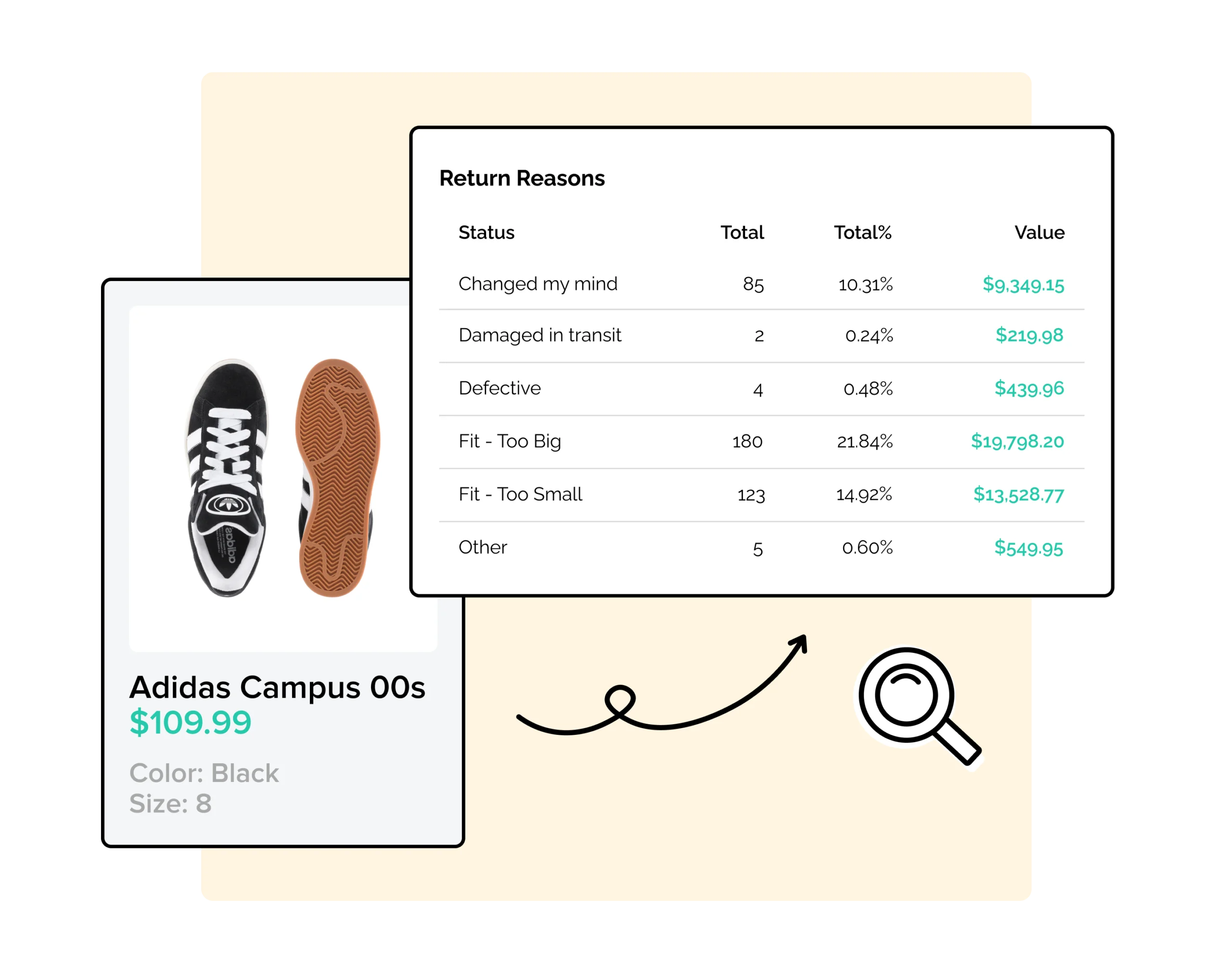
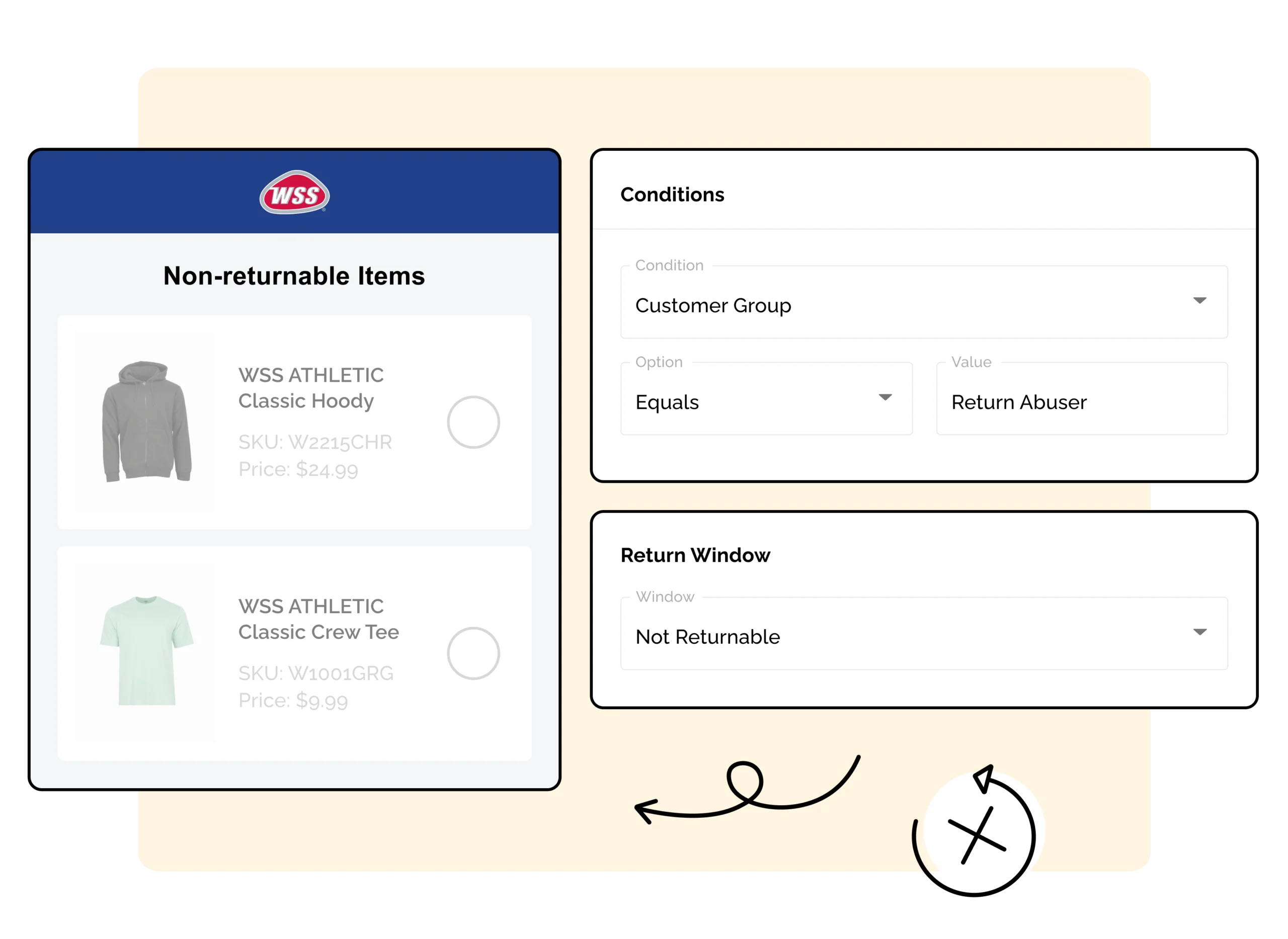
Spot Patterns and Loyal Shoppers
Identify serial returners or your most loyal customers and learn what drives their choices. This insight helps shape your buying behavior strategies from product quality to service improvements.
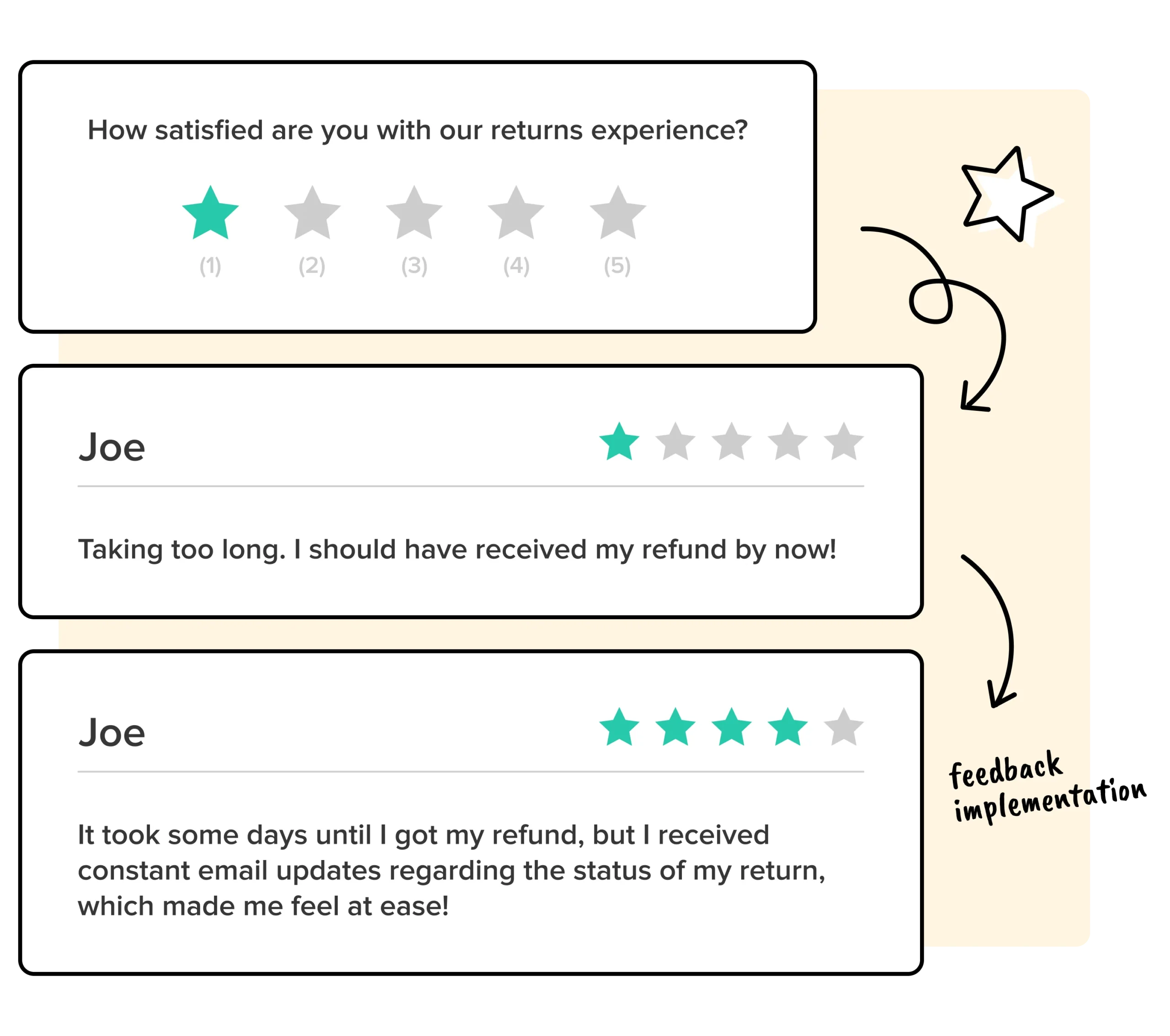
Track Real Feelings with CSAT, NPS & CES
Numbers tell part of the story feelings tell the rest. With WeSupply, you can track how happy customers are, how easy their experience felt, and how likely they are to recommend you. That means fewer guesses and better decisions.
Connect with Review Platforms for Real Feedback
People trust other people. WeSupply integrates with trusted review tools like Yotpo, Loox, Judge.me, Stamped, and Reviews.io, so you can see genuine feedback right alongside your analytics. That way, you’re not just tracking what customers do you’re listening to what they say.
Make Data Work for You
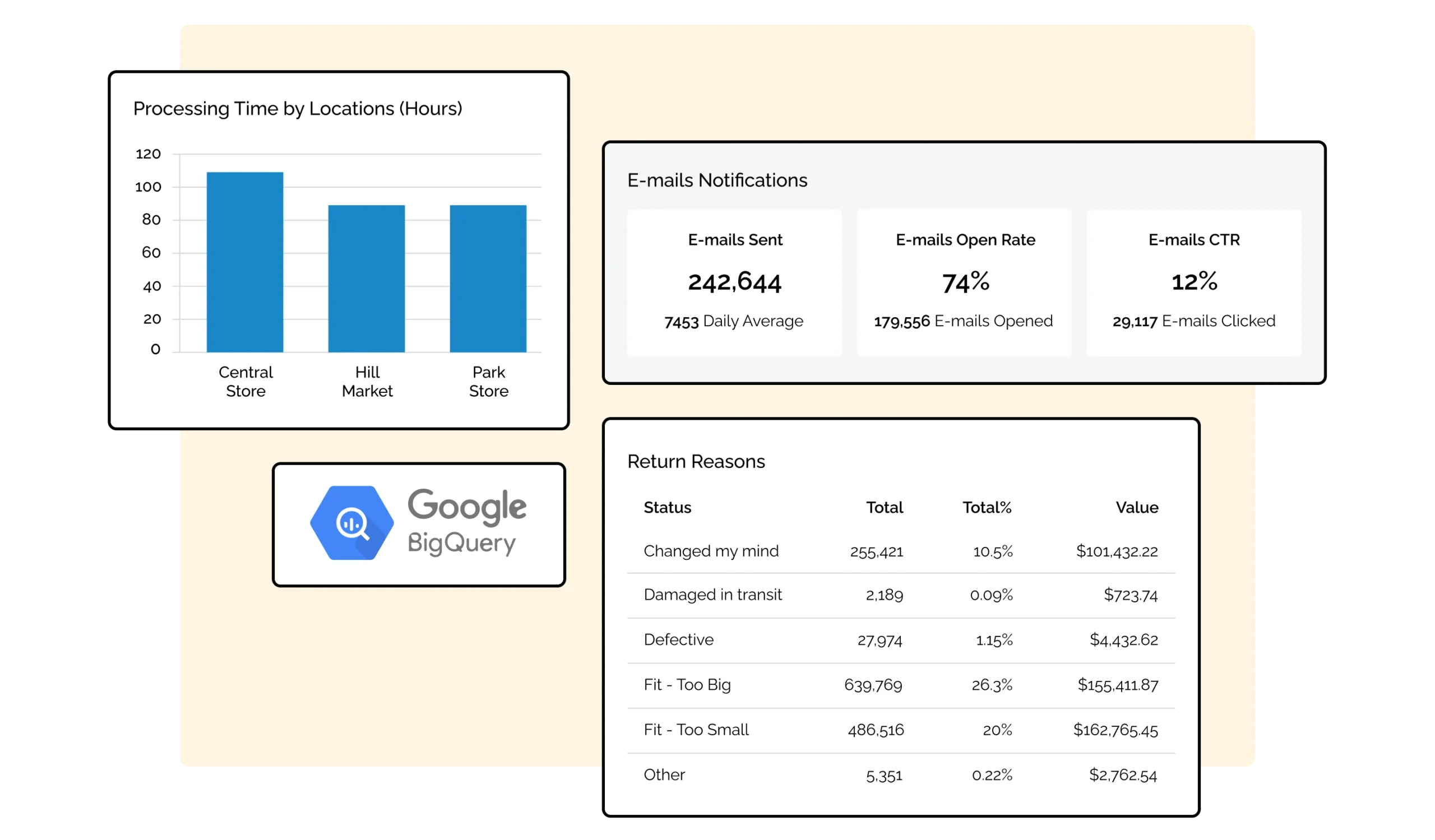
Every insight WeSupply provides from return data in BigQuery to customer satisfaction metrics helps you understand not only what’s happening, but why. That’s how you turn one-time buyers into repeat customers.
When you understand your customers’ buying behavior, you stop guessing and start growing.
WeSupply gives you the tools to:
Lower return rates
Improve customer happiness
Build trust with transparent data
And create shopping experiences people love coming back to
WeSupply helps businesses see what people buy, why they return things, how they feel, and what keeps them coming back all in one place. It’s like having superpowers for understanding your customers.
Discover how WeSupply can transform your post-purchase experience and help you truly understand your customers. 👉 Book a Free Demo Today!
Understand and Improve Buying Behavior with WeSupply
Book a quick call to see how WeSupply helps you understand returns, track satisfaction, and turn insights into happier, more loyal customers.
Every customer choice whether sparked by habit, curiosity, logic, or emotion reveals a story worth understanding. With WeSupply, those stories become clear.
Through powerful Returns Analytics, you uncover why customers send items back and identify loyal shoppers. By tracking CSAT, NPS, and CES, you learn how they feel and where to improve. Integrated review platforms like Yotpo and Loox help you listen directly to real voices, while BigQuery insights turn data into action.
When you truly understand the four types of buying behavior, WeSupply helps you transform every transaction into a lasting relationship and every customer into a loyal advocate.
Returns Analytics for eCommerce Business
Book a quick call with our experts to see how WeSupply can help you understand why your customers are returning: Identify the most returned products, Understand why those products are returned, Identify which customers are serial returners, Reduce Return Rate with Actionable Insights, Returns data available in BigQuery.
1. What are the four main types of consumer buying behavior?
The four types are Complex, Dissonance-Reducing, Habitual, and Variety-Seeking buying behavior each defined by how involved the buyer is and how much they perceive brand differences.
2. Why is understanding consumer buying behavior essential for businesses?
It reveals why customers purchase, not just what they buy helping brands design better marketing, pricing, and loyalty strategies that increase retention and lifetime value.
3. How do personal, social, and cultural factors influence buying behavior?
They shape perceptions, motivations, and trust. Personal income and lifestyle guide priorities, while social circles and cultural norms subtly define what feels “right” to buy.
4. How does WeSupply help brands understand customer buying behavior?
WeSupply connects returns, reviews, and satisfaction data to reveal why customers buy, return, and stay loyal transforming raw data into actionable behavioral insights.
5. Can WeSupply reduce product return rates?
Yes. WeSupply’s Returns Analytics identifies patterns and root causes like sizing issues or misaligned expectations helping businesses adjust descriptions or products to lower returns.
6. What makes WeSupply different from other post-purchase platforms?
Unlike basic tracking tools, WeSupply unites return data, CSAT, NPS, CES, and integrated reviews in one dashboard offering a complete, emotion-aware view of customer behavior.
7. Does WeSupply have an Official Shopify App?
Yes. WeSupply has an Official Shopify App. You can download it and start integrating with your Shopify Store.
8. Does WeSupply have an official Magento extension?
Yes, WeSupply has an official extension for Magento. The WeSupply x Magento integration allows for automating order tracking experiences, reducing customer inquiries, automating shipping email and SMS notifications, and providing a fully branded order tracking experience
9. Does WeSupply have an official BigCommerce App?
Yes, WeSupply has an official BigCommerce App. You can integrate WeSupply with your BigCommerce store to improve your post-purchase customer experience.
Learn How To Create Successful Post Purchase Email Campaigns
Build an effective post-purchase email flow that helps you increase customer satisfaction and drive revenue growth!

Understand the 30-day return policy: key insights, potential pitfalls, and tips for hassle-free returns. Read more!
Discover effective cross-selling strategies for Shopify that can boost your revenue with minimal effort. Read the article today!

Discover how an effective order management system can streamline processes, reduce errors, and boost customer satisfaction.

Discover how to choose the right Transportation Management System for your business needs. Streamline operations and enhance efficiency.
Boost your sales this peak season with effective strategies for personalized shopping. Practical tips to enhance customer engagement!

Discover effective post-purchase engagement strategies to enhance customer loyalty and keep your audience coming back.
Discover key insights into ecommerce post-purchase behavior to enhance customer loyalty. Read the article for effective strategies!
Learn how delivery date transparency can boost conversions during peak season. Discover tips to enhance customer trust and drive sales.

Enhance delivery efficiency with proven strategies to optimize real-time ETAs. Discover actionable tips for accuracy and reliability.